Overview
In the expansive world of modern wearables, the Samsung Watch 7 attempts to solve a common dilemma: do you choose a dedicated sports watch that looks utilitarian, or a premium smartwatch that might lack serious athletic depth? By balancing advanced health-tracking sensors with a sleek, polished interface, this device positions itself as a dual-threat tool for both the boardroom and the marathon track. For the average consumer and the weekend warrior, it serves as a bridge between high-fashion aesthetics and the rigorous data demands of personal fitness. Throughout our research, it became clear that this product is not merely an accessory but a comprehensive hub for your daily activities. It gathers immense amounts of biometric data to provide a holistic view of your health, making it an attractive proposition for those who view their health journey as an integrated part of their daily life rather than a segmented activity.
Understanding where the Samsung Watch 7 sits requires looking at its ecosystem. It is primarily built for users already embedded in the Android lifestyle, offering tight integration that simplifies how you interact with your phone, manage notifications, and track your health metrics. This is not just a pedometer; it is a smart hub on your wrist. While many users prioritize simple step counting, this model elevates that experience by incorporating complex sensors that monitor heart rate variability, body composition, and even sleep stages. The focus is on long-term wellness, making it a potentially life-changing tool if you are committed to using its insights to change your daily habits. It excels at being a 'do-it-all' device, which creates a very high bar for user satisfaction across various categories of use, including running, cycling, and general daily productivity.
Design and Build
The aesthetic approach taken by Samsung here is one of refinement. The chassis is a circular, precision-engineered metal frame that feels solid without being cumbersome on the wrist. When compared to the plastic-heavy designs often found in dedicated, lower-cost fitness trackers, the Watch 7 offers a significant step up in build quality. This is crucial for long-term wear; if you are going to wear a watch for 24 hours a day to track sleep and recovery, it must be comfortable. The weight distribution is balanced, ensuring that it does not shift during high-intensity interval training or faster-paced runs.
The screen is arguably the most impressive part of the design. Using high-definition Super AMOLED technology, the display remains readable in almost any lighting condition, including harsh, direct sunlight. This is a vital feature for runners; checking your pace or split time at a glance should never involve squinting at a dark, dim display. The touch-sensitive bezel interface and physical buttons are strategically placed to be tactile and responsive even if your fingers are damp from sweat. The selection of materials, including scratch-resistant glass, suggests a device intended for active use, though we recommend caution if you are frequently engaging in sports involving contact with rough surfaces, as any high-end glass is susceptible to impact damage. Ultimately, the design balances the aesthetic appeal of a luxury watch with the durability required for a regular exercise regime.
Key Features and Performance
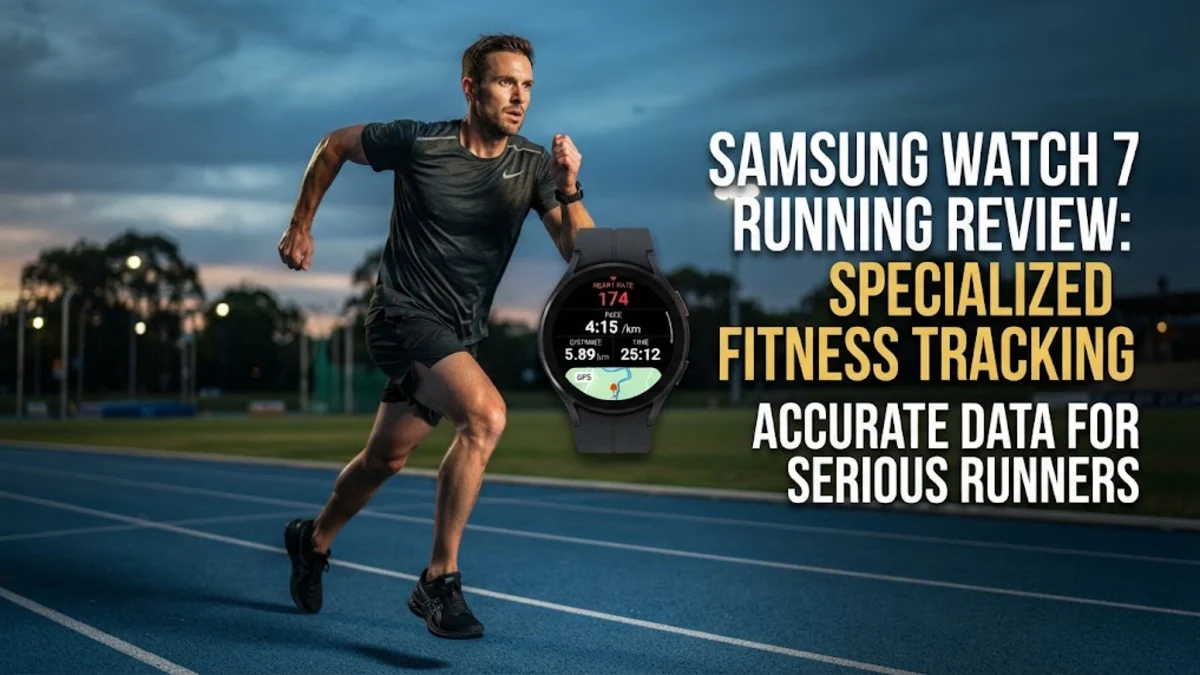
At the heart of the running experience is the refined BioActive sensor array. This new generation of sensors claims higher accuracy for heart rate monitoring, which is critical for runners utilizing heart rate zone training. By keeping a tighter watch on your beats per minute, the device can provide more accurate calorie burn calculations and effort assessments. During our research into user feedback, many highlighted that the device excels at signal locking. Unlike older generations that might take minutes to find a GPS satellite, the Watch 7 typically achieves a lock in seconds, allowing you to start your workout without unnecessary delays. This reliability is a major selling point for those who want to jump straight into their routines.
Beyond basic GPS, the watch tracks a variety of secondary metrics. Cadence tracking, stride length analysis, and aerobic exertion levels are provided to help users understand their efficiency. This level of granular data was once reserved for elite-level professional gear. However, the software implementation is where it truly shines. The device pushes this data into a format that is easy to interpret for the average runner, offering 'coaching' insights and reminders that push you toward better performance. Furthermore, the seamless integration with Android means your music control, voice assistance, and incoming text notifications are all managed through a familiar interface. You can stream your favorite running playlist directly to your Bluetooth headphones, leaving your phone behind without sacrificing your audio experience.
Who It Is For (and Who Should Skip It)
This product is tailor-made for the modern professional who runs as part of a busy lifestyle. If your life revolves around managing schedules, answering emails, and keeping a track of your physical health, the Samsung Watch 7 is your ideal companion. It is perfect for those who want a device that looks appropriate in a professional environment but is sophisticated enough to analyze their evening 10k run. The breadth of its features, from health alerts to productivity apps, makes it a highly valuable tool for daily life.
However, if you are a professional athlete or a hobbyist dedicated to ultra-running, the priorities might shift. A serious ultra-marathoner will likely prioritize the multi-day battery life and physical toughness found in dedicated Garmins or other specialized gear. If you spend your weekends in remote areas where charging your device for a full week is impossible, this watch might frustrate you, as it demands a nightly or daily charge. Additionally, if you are a strictly casual user who finds the sheer volume of data and notification management overwhelming, this may be an 'over-spec' product for your actual needs. A basic, low-cost fitness tracker might provide exactly what you need without the added complexity of a fully featured smartwatch.
Alternatives Worth Considering
For those who find the Samsung ecosystem restrictive or the battery life insufficient, there are valid alternatives. The Garmin Forerunner series is the gold standard for dedicated, long-distance runners. They lack the glossy, high-power displays of the Watch 7 but offer superior battery performance and advanced running dynamics that are difficult to match. For iPhone owners, the Apple Watch series offers a level of system-level synchronization that is unmatched in the market, though it requires staying within the Apple ecosystem.
If you are looking for a middle ground, the Google Pixel Watch 3 offers a slightly different aesthetic and software approach, often lauded for its deep integration with Fitbit's data platforms, which some runners prefer for the presentation of their long-term health trends. Choosing between these comes down to which ecosystem your current smartphone belongs to. If you are a Samsung or Android user, the Watch 7 is clearly the best-optimized choice, whereas Apple users should stick to their native brand for the most reliable performance.
Final Verdict
The Samsung Watch 7 succeeds because it refuses to be just one thing. It is a capable, highly accurate tracker for runners, a competent health monitor for wellness enthusiasts, and a sleek, smart extension of your mobile phone. While it does not claim to replace the most specialized professional athletic gear, it offers more than enough performance to help the vast majority of users achieve their fitness goals. The polish, the software ease, and the hardware reliability make it a standout device in the 2026 market.
Ultimately, your satisfaction with the watch will come down to your daily interaction with it. It requires that you accept the reality of charging a device daily, but in return, it rewards you with an incredibly detailed view of your performance and health. For the runner who wants it all—style, substance, and ecosystem synergy—there are very few devices that compete with the level of refinement found here. It remains a top recommendation for any Android user looking to level up their training and their daily tech experience.