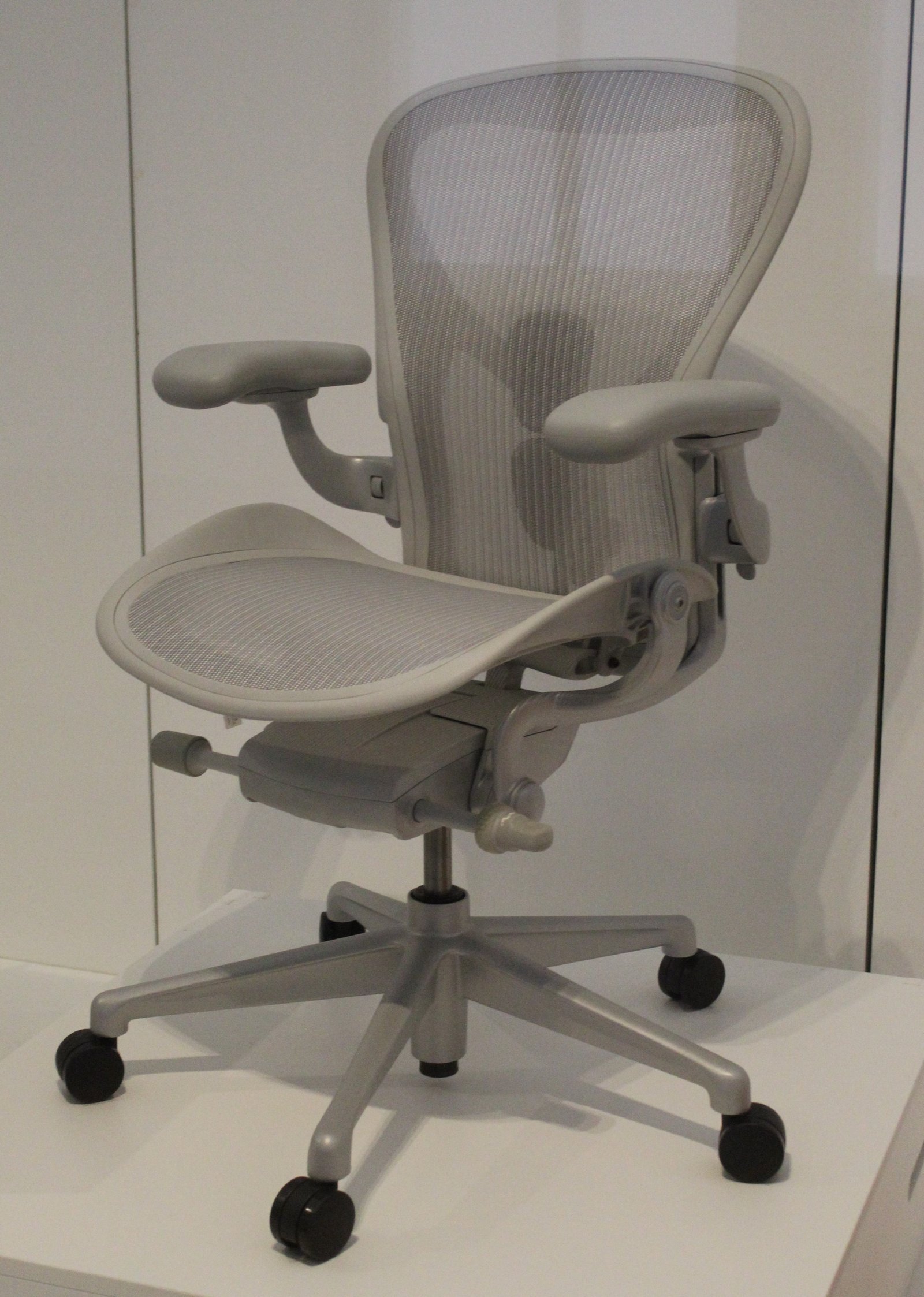
Overview
When you spend eight, ten, or twelve hours seated at a desk each day, your chair is not merely another piece of furniture; it is an active piece of ergonomic equipment. The Steelcase Leap has long occupied a revered position within executive suites, design studios, and dedicated home workspaces across North America, the United Kingdom, and Australasia. Built around extensive biomechanical research into how human spines move throughout the working day, the Leap is engineered to dynamically adapt to shifting postures rather than forcing your body into a rigid, static mold.
Unlike many flashy modern chairs that prioritize avant-garde aesthetics over practical mechanics, the Leap approaches daily comfort with utilitarian precision. Its core promise centers on active spinal support, comprehensive adjustability, and enduring build quality backed by an enterprise-grade commercial warranty. In an era when remote and hybrid work environments have cemented themselves permanently into corporate life, investing in commercial-grade seating is often viewed as preventive physical therapy. This review synthesizes manufacturer engineering specifications, ergonomic ergonomics analysis, professional assessments, and verified long-term buyer reports to determine whether the Steelcase Leap justifies its four-figure price tag for your workstation.
Design and Build
At first glance, the Steelcase Leap presents an understated silhouette. It does not carry the futuristic, suspended-mesh profile of Herman Miller designs, choosing instead a clean, tailored aesthetic anchored by high-density foam padding over flexible polymer shells. The frame combines high-grade reinforced polymer, cast aluminum, and steel components, resulting in a chair that feels exceptionally solid without being unmanageably heavy. Available in durable powder-coated black, platinum, or polished aluminum bases, the Leap fits seamlessly into conventional corporate boardrooms and minimalist home studios alike.
The build quality is immediately evident in the operational tolerances of its moving parts. The adjustability levers and dials do not rattle or flex under load. Steelcase fabricates the Leap using sustainable production principles, incorporating up to 98 percent recyclable materials by weight and third-party certifications for low indoor air emissions. The standard upholstery utilizes tightly woven proprietary fabric tested to endure hundreds of thousands of commercial double-rubs, resisting pilling and surface abrasion over years of continuous use. For shoppers desiring alternative finishes, optional 3D knit backrests and premium top-grain leather variations are available.
Underneath the fabric lies a relatively thin yet remarkably dense polyurethane foam cushion. Rather than relying on plush, pillow-soft padding that bottom out after an hour of focused sitting, the Leap utilizes a firm, contoured seat pan designed to evenly distribute pelvic pressure. The leading front edge of the seat pan is flexible, meaning it yields gently downward when you lean forward or cross your legs slightly, preventing circulation cutoff beneath your thighs.
Key Features and Performance
The defining technical innovation of the Leap is Steelcase’s patented LiveBack system. While conventional office chairs feature a rigid backrest that pivots on a fixed hinge, the Leap’s backrest flexes and reshapes itself to mirror the natural S-curve movement of your spine. As you shift from an upright analytical posture to a reclined typing stance, the upper and lower sections of the backrest articulate independently. This provides continuous contact with your lumbar and thoracic regions, preventing the slouching and spinal compression that frequently trigger end-of-day lower back pain.
In addition to the flexible frame, the Leap incorporates an independent lower back firmness dial alongside a height-adjustable lumbar slat. The firmness control alters the structural tension in the lower third of the backrest, allowing users to dial in aggressive, pronounced lumbar curvature or a softer, more recessed contour. Paired with five vertical inches of lumbar slide adjustment, the chair accommodates a remarkably broad spectrum of torso heights and spinal profiles without creating hard pressure hot spots.
Another functional highlight is the Natural Glide recline mechanism. When you recline in many budget or mid-tier chairs, the seat pan tips backward, lifting your feet off the floor and pulling your upper body away from your desk surface, keyboard, and display. In contrast, the Leap’s seat pan slides forward as the backrest reclines back. This motion keeps your eyes aligned with your monitor and your hands within easy reach of your peripherals, allowing you to recline comfortably while continuing to type or read without straining your neck and shoulders.
The armrests on the Steelcase Leap are widely considered by ergonomic evaluators to be among the finest ever engineered. These fully articulated 4D arms adjust effortlessly through height, width, front-to-back depth, and inward or outward pivot angles. Because the arm caps can slide backward and pivot inward simultaneously, you can tuck your elbows close to your torso while typing on a compact mechanical keyboard or holding a tablet. This close-range forearm support substantially minimizes trapezius strain and repetitive stress in the wrists.
Thermal management is the only operational area where the Leap cedes ground to open-mesh alternatives. While the proprietary upholstery and breathable foam layers dissipate heat far more effectively than bonded leather or cheap memory foam, long sessions in non-air-conditioned summer environments can result in mild warmth retention along the back panel and seat cushion. Users who run naturally hot should keep this thermal profile in mind.
Who It Is For (and Who Should Skip It)
The Steelcase Leap is primarily intended for professionals who log intense, uninterrupted shifts seated at a computer desk. If you regularly spend six or more hours per day working, programming, writing, or analyzing data, the chair’s dynamic back support and versatile armrests provide measurable relief against postural fatigue and spinal stiffness. It is also an exceptional choice for multi-user households; thanks to its expansive adjustment range and a generous 400-pound maximum user weight rating, it can easily adapt to family members of wildly different statures and weights.
Conversely, the Leap may not be the optimal match for individuals who crave an enveloping, sofa-like lounge chair. Its firm seat pan and active spinal engagement are explicitly tuned for task-oriented productivity rather than relaxed media consumption. Dedicated loungers who like to sit cross-legged with feet pulled up onto wide cushions will find the contoured edges and side controls somewhat restrictive. Furthermore, buyers living in persistently humid climates without consistent climate control who prioritize absolute maximum airflow may prefer a full-mesh design.
Alternatives Worth Considering
Before purchasing, prospective buyers routinely weigh the Leap against three major high-end competitors:
- Herman Miller Aeron: The Aeron is the undisputed benchmark of full-mesh seating. It excels at high-airflow ventilation and upright posture enforcement. However, its rigid outer plastic rim can press painfully against the thighs of users who shift frequently, its armrests lack the Leap’s depth adjustment, and it requires choosing among three strict shell sizes (A, B, or C) rather than offering a one-size-fits-all adjustable seat pan.
- Steelcase Gesture: Designed specifically for modern multi-device workflows, the Gesture features even more flexible armrests that rotate on ball-and-socket joints, making it superior for switching between smartphones, tablets, and multi-monitor setups. It carries a taller backrest and a slightly more contemporary visual aesthetic, though many users report that the Leap provides firmer, more targeted lower back lumbar support.
- Herman Miller Embody: The Embody features an intricate exoskeleton spine that flexes seamlessly with your back and a wide, pixelated seat structure that excels at pressure distribution. However, the Embody commands a noticeably higher price tag, lacks depth-adjustable armrests, and does not provide an independently adjustable lumbar tension control.
Final Verdict
The Steelcase Leap office chair remains an undeniable triumph of ergonomic engineering. Rather than relying on aggressive styling or unnecessary electronic gimmicks, it focuses squarely on solving the physiological strains of sedentary desk work. By combining dynamic spinal tracking, unmatched armrest articulation, and a heavy-duty commercial frame backed by a 12-year multi-shift warranty, it effectively neutralizes the primary causes of desk-related posture fatigue.
While the initial cost is substantial and the seat cushion demands an appreciation for supportive firmness over plush sink-in softness, the long-term return on physical well-being is exceptional. For remote workers, creative professionals, and anyone seeking definitive relief from chronic workday back stiffness, the Steelcase Leap stands as one of the safest and most rewarding ergonomic investments you can make for your workspace.