Overview
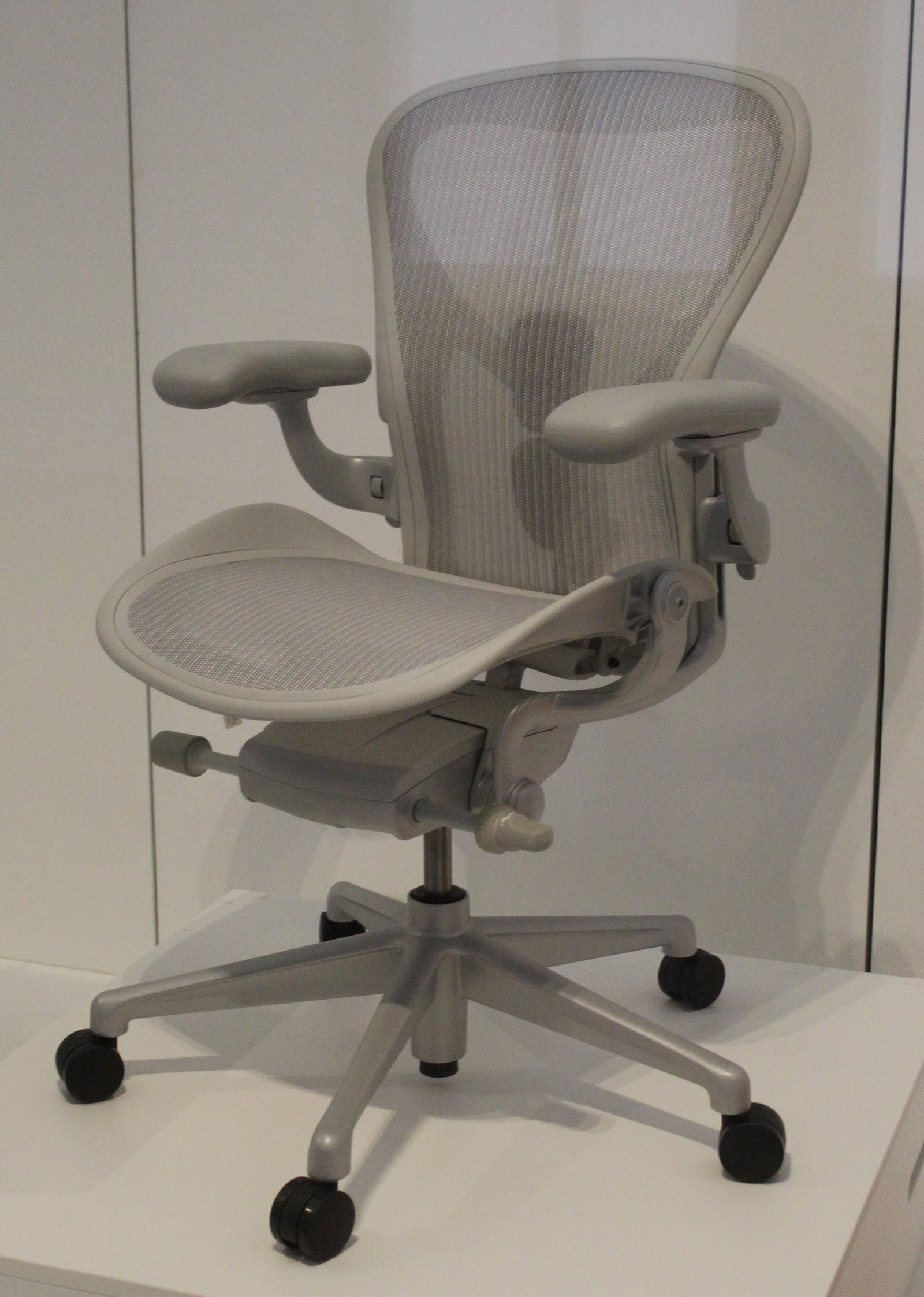
When discussing high-end home office furniture, few products carry as much legendary status as the Herman Miller Aeron Chair. Designed originally by Bill Stumpf and Don Chadwick in 1994 and remastered in 2016 by Chadwick, the Aeron set a new paradigm for office seating by ditching traditional foam padding in favor of a pellicle suspension system. Today, it remains one of the most widely recognized and frequently recommended ergonomic office chairs on the market, especially for professionals spending eight to twelve hours a day seated in front of screens. However, with an initial investment that frequently ranges between $1,200 and $1,900 depending on configuration, prospective buyers naturally ask whether this iconic seat lives up to its substantial price tag. In this comprehensive review, we synthesize technical specifications, ergonomic testing summaries, expert evaluations, and long-term user feedback to help you decide if the Aeron is the right anchor for your home workspace.
Design and Build
The Herman Miller Aeron Chair stands out immediately due to its distinctive frame aesthetics and complete absence of dense foam cushions. Instead of relying on conventional upholstery, the chair utilizes Herman Miller 8Z Pellicle mesh across both the seat pan and the backrest. This proprietary elastomeric material is divided into eight distinct tension zones across the seat and backrest, engineered to provide targeted support where body pressure is concentrated while remaining soft near outer edges. The overall frame construction blends high-grade molded polymer with an aluminum base and tilt mechanism housing, yielding an exceptionally robust feel that lacks the creaks or structural flex commonly found in mid-tier office seating.
Manufacturing precision is a standout trait of the Aeron. Every adjustment lever, control knob, and pivot hinge operates with smooth, deliberate tactile feedback. Herman Miller offers the chair in four primary color finishes: Graphite, Carbon, Mineral, and Onyx Ultra Matte, which incorporates ocean-bound plastic materials into its construction. Unlike many universal-fit chairs on the market, the Aeron is sold in three distinct frame sizes—Size A (Small), Size B (Medium), and Size C (Large). This sizing strategy ensures that proportional geometry and lumbar placement match distinct occupant heights and body weights rather than forcing a single frame to accommodate everyone suboptimally. Size B covers the majority of average adult height and weight ranges, while Size A caters to smaller frames and Size C accommodates taller or broader individuals up to 350 pounds.
One critical structural detail that buyers must keep in mind is the rigid plastic lip surrounding the seat frame. Because the mesh requires a firm border to maintain its spring tension, the outer plastic rim does not offer soft padding. If you sit outside the recommended size parameters or enjoy tucking a leg under your body, this raised outer ridge can exert unwanted pressure on your thighs or calves. Overall, however, the build quality is uncompromising, backed by Herman Miller legendary 12-year, 3-shift warranty that covers hardware, mechanisms, and mesh suspension under intensive daily usage.
Key Features and Performance
When evaluating the Aeron for daily home office work, ergonomic customization and thermal comfort are its primary strengths. The most praised structural feature is the PostureFit SL system, an optional dual-pad lumbar support mechanism that stabilizes the sacrum and supports the lumbar region of the spine simultaneously. Unlike simple sliding lumbar bars that merely push outward against the lower back, PostureFit SL features independent pads that conform gently to the natural curvature of the spine, promoting an upright, active posture that prevents slumping during extended computing sessions. Expert reviewers consistently praise this mechanism for alleviating lower back fatigue over standard eight-hour workdays.
Recline mechanics on the remastered Aeron are driven by the Harmonic 2.0 tilt system. This mechanism balances body weight dynamically, allowing users to move fluidly between an upright typing posture and a deep recline without feeling as though they are fighting against heavy spring resistance or falling backward uncontrollably. The optional tilt control package adds a tilt limiter—which allows you to lock out recline angles at predetermined points—and a forward tilt function. The forward tilt tilts the seat pan forward by five degrees, which is particularly beneficial for tasks requiring intense focus, drafting, or active keyboarding where sitting upright or leaning slightly forward reduces neck and shoulder strain.
The fully adjustable armrests are another major performance highlight. Depending on the chosen configuration, the armrests adjust for height, front-to-back depth, and pivot inward or outward across a wide angle. The padding on the armpads is contoured and resilient, reducing elbow pressure points during prolonged typing. The inward pivot setting is exceptionally useful for mobile device users or tight keyboard setups, allowing your forearms to remain supported without flaring your elbows unnaturally outwards.
Where the Aeron truly excels compared to conventional foam-padded seating is heat dissipation. Upholstered foam chairs trap body heat and moisture over long hours, which can cause discomfort and sweating in warmer climates or non-air-conditioned rooms. The 8Z Pellicle mesh is entirely breathable, allowing air to circulate freely around the hips, thighs, and back. Expert testing confirms that surface temperature remains neutral throughout all-day work sessions. User feedback across varied climates underscores this as a transformative feature for remote workers residing in warmer regions.
However, performance is not without trade-offs. The Aeron is explicitly designed to enforce correct ergonomic posture. If your preferred sitting style includes lounging back sideways, crossing your legs in the chair, or sitting on one foot, the Aeron actively discourages those habits. The firm mesh perimeter frame creates firm side bolsters that make non-standard seating positions uncomfortable. Furthermore, the seat depth is fixed per size; unlike many modern competitors that feature a sliding seat pan to adjust for thigh length, the Aeron relies entirely on selecting the correct size (A, B, or C) from the outset.
Who It Is For (and Who Should Skip It)
The Herman Miller Aeron Chair is ideal for desk-bound professionals, remote workers, programmers, writers, and executives who spend six to twelve hours daily seated at a computer and prioritize back health, lumbar support, and long-term durability. It is particularly suited for individuals prone to lower back pain or those living in warm climates where thermal management is a primary concern. The chair is also an outstanding investment for corporate or home offices where a long manufacturer warranty and proven commercial-grade construction justify high upfront capital expenditure.
Conversely, you should skip the Aeron if you prefer plush, cloud-like cushioning or if you frequently change positions into casual, non-ergonomic postures such as sitting cross-legged or slouching. Individuals who fall between the size boundaries of Size B and Size C without a clear match may find the rigid frame edges pressing uncomfortably into their thighs. Budget-conscious shoppers who cannot justify spending over $1,200 on office furniture should also consider lower-cost ergonomic alternatives that provide adjustable seat depth and softer perimeter framing.
Alternatives Worth Considering
If you are evaluating top-tier ergonomic chairs, several competitors deserve close attention alongside the Aeron. The Steelcase Gesture is frequently cited as the strongest direct alternative. Featuring an innovative armrest design that moves 360 degrees to support various device usage postures, the Gesture uses a traditional padded seat pan with flexible edges. This makes it far more forgiving for users who like to shift positions, cross their legs, or sit at angled postures. It also includes an integrated seat depth slider, making fitting straightforward across diverse body heights without requiring specific frame size selection.
Another prominent competitor is the Steelcase Leap V2. Renowned for its LiveBack technology, which flexes dynamically with spine movement throughout the day, the Leap V2 offers deep lumbar adjustability and highly flexible seat edges. It provides a more classic fabric-and-foam experience while offering top-notch posture support. For shoppers seeking a mesh alternative that retains flexible borders and a lower price threshold, the Haworth Zody or Haworth Fern are excellent options. The Fern features a unique multi-layered back suspension that combines high flexibility with continuous spinal contouring, providing a less rigid feel than the Aeron frame.
For buyers looking at value-focused office chairs under $500, models like the Branch Ergonomic Chair offer solid basic adjustability and breathable mesh backrests, though they lack the specialized multi-zone suspension, long-term frame durability, and 12-year comprehensive warranty of the Aeron.
Final Verdict
The Herman Miller Aeron Chair maintains its standing as an iconic, gold-standard ergonomic seating solution for a clear reason. Its engineered 8Z Pellicle mesh suspension, PostureFit SL lumbar system, and responsive Harmonic 2.0 tilt mechanism deliver superior posture support and cooling performance that few competitors can equal. While its rigid outer frame rim and fixed seat depth demand careful size selection, and its premium cost represents a significant upfront investment, its 12-year commercial warranty and exceptional build quality make it a remarkably cost-effective long-term investment in daily comfort and spinal health.