Overview
As the wearables market continues to bifurcate between sleek lifestyle accessories and heavy-duty performance tools, the Samsung Galaxy Watch Ultra arrives as a clear statement of intent. Positioned as the most capable and durable wearable in Samsung’s ecosystem, this device is designed to meet the demands of triathletes, hikers, and power users who have historically looked toward specialized brands like Garmin or Apple’s Ultra series. Research into the device reveals a shift away from the circular minimalism of previous Galaxy models toward a more industrial, robust aesthetic that prioritizes structural integrity and outdoor visibility.
Built to operate in extreme environments, from high altitudes to deep water, the Galaxy Watch Ultra represents the pinnacle of Wear OS hardware. It integrates advanced artificial intelligence to interpret health data, providing users with more than just raw numbers. While it shares some internal components with the standard Galaxy Watch series, the Ultra distinguishes itself through superior materials, a larger battery, and specialized software features tailored for endurance sports. In the current 2026 landscape, it stands as the primary choice for those seeking the maximum possible functionality from an Android-compatible smartwatch.
Design and Build
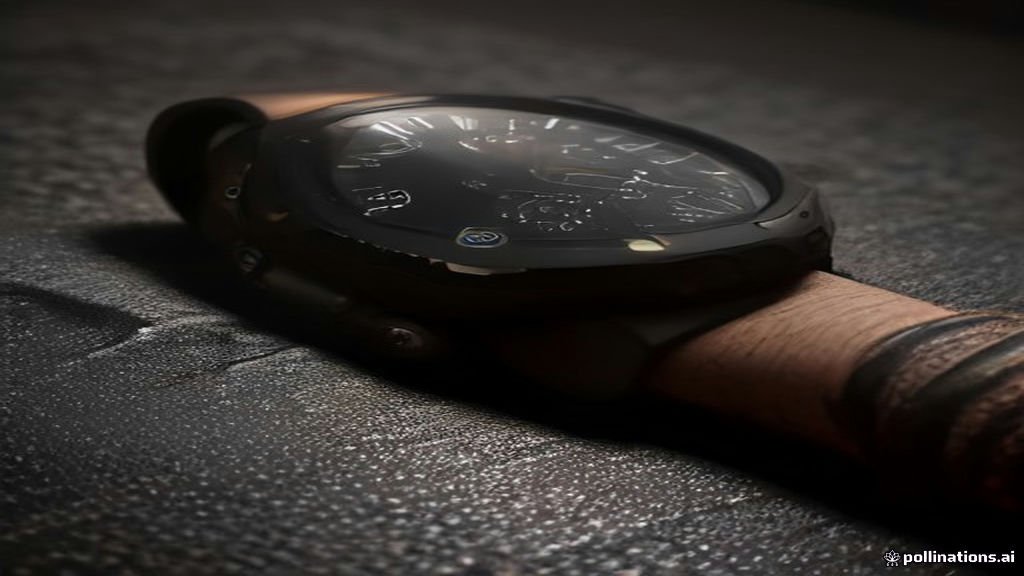
The first thing you notice about the Samsung Galaxy Watch Ultra is its "cushion" design. This unique silhouette places a circular 1.5-inch Super AMOLED display inside a squarish frame, creating a visual profile that is both modern and utilitarian. The case is constructed from Grade 4 titanium, a choice that expert teardowns indicate provides an optimal balance between weight reduction and impact resistance. Unlike the polished aluminum found on entry-level models, this matte finish is designed to hide scratches and withstand the rigors of rock climbing or trail running.
The display itself is protected by sapphire crystal glass, which is notoriously difficult to scratch. One of the most praised specifications is the peak brightness of 3,000 nits. Verified user reports suggest that even in direct midday sun in high-altitude environments, the screen remains perfectly legible, which is a critical safety factor for backcountry navigation. On the side of the device, Samsung has introduced a new "Quick Button." While it looks like a traditional crown, it functions as a customizable physical shortcut that can start workouts, lap times, or trigger a loud emergency siren, providing tactile control that touchscreens often lack in wet or cold conditions.
Comfort is a frequent topic in buyer feedback. Despite its 47mm size and 60-gram weight (excluding the strap), the watch features a lug-less design where the band connects directly underneath the body. This allows the watch to sit more centered on the wrist, though those with smaller wrists may still find it bulky. It is important to note that Samsung has introduced a proprietary Dynamic Lug System for this model; while this ensures a secure fit during high-intensity movement, it means your older 20mm or 22mm watch bands will not be compatible without an adapter.
Key Features and Performance
Under the hood, the Galaxy Watch Ultra is powered by a 3nm processor that ensures the Wear OS 5 interface remains fluid and responsive. The hardware is paired with the BioActive Sensor, which monitors heart rate, electrical heart signal (ECG), and body composition. For 2026, the integration of AI-driven health insights has become a central feature. The device uses these sensors to calculate an "Energy Score," which combines sleep data, activity levels, and heart rate variability to advise the user on whether they should push for a personal best or prioritize recovery.
For athletes, the dual-frequency GPS (L1 and L5) is a significant upgrade. Technical analysis shows that by using two signal bands, the watch can more accurately track location in "urban canyons" or under dense forest canopies where single-band GPS often falters. This accuracy extends to the new multi-sport mode, which can track transitions between swimming, cycling, and running automatically—a feature specifically requested by the triathlon community. The device also features an atmospheric pressure sensor and a water temperature sensor, supporting its 10ATM water resistance rating and certification for recreational diving up to 100 meters.
Battery life is often the Achilles' heel of smartwatches, but the Ultra addresses this with a 590mAh cell. Manufacturer data suggests up to 100 hours of life in Power Saving mode and roughly 48 hours of heavy use with the Always-On Display active. Verified users generally confirm these figures, noting that it comfortably lasts through a full weekend of hiking without needing a charger, a feat that standard smartwatches rarely achieve.
Who It Is For (and Who Should Skip It)
The Samsung Galaxy Watch Ultra is primarily aimed at the "prosumer" athlete. If you are someone who spends your weekends on long-distance trail runs, open-water swimming, or multi-day camping trips, the durability and specialized tracking features justify the investment. It is also an excellent choice for Android users who have felt "feature envy" toward the Apple Watch Ultra, as it brings a similar level of ruggedized luxury to the Wear OS platform. Furthermore, users who prioritize health monitoring will find the FDA-cleared sleep apnea detection and AGEs (Advanced Glycation End products) index useful for long-term wellness tracking.
However, this watch is not for everyone. If your primary goal is basic step counting or receiving notifications, the Ultra is likely overkill both in price and physical size. Those with very slender wrists may find the 47mm case cumbersome for daily wear or uncomfortable to sleep in. Additionally, while the watch works with most Android phones, Samsung limits certain advanced features—such as ECG and Blood Pressure monitoring—to users who own a Samsung Galaxy smartphone. If you are using a Pixel or OnePlus device, you will lose out on some of the proprietary ecosystem benefits, making a Garmin or a more platform-agnostic tracker a potentially better value.
Alternatives Worth Considering
When shopping in this price bracket, the most direct competitor is the Apple Watch Ultra 2. While the Apple variant offers a slightly more integrated App Store experience and a highly polished interface, it remains locked to the iOS ecosystem. For Android users, the choice often comes down to the Galaxy Watch Ultra versus the Garmin Fenix 8. The Garmin Fenix series is widely considered the gold standard for battery life, often lasting weeks rather than days, and it offers more granular mapping data for serious mountaineers. However, Garmin watches lack the deep smartwatch integration—like full QWERTY keyboards, LTE standalone calling, and advanced app support—that the Galaxy Watch Ultra provides.
For those who want the health sensors of the Ultra but don't need the titanium armor or the extreme battery life, the standard Samsung Galaxy Watch 7 is a much more affordable and compact alternative. It uses the same processor and sensor array but in a traditional, lighter form factor. Finally, for users who prefer a classic watch aesthetic over the "squircle" design, the Garmin Epix Pro (Gen 2) offers a stunning AMOLED screen with a more traditional circular watch face and long-range battery performance.
Final Verdict
The Samsung Galaxy Watch Ultra successfully bridges the gap between a high-tech smartwatch and a rugged adventure tool. It doesn't quite match the weeks-long battery life of dedicated fitness brands, but it compensates with a brilliant display, seamless cellular connectivity, and a sophisticated suite of AI health tools. For the Android user who wants a watch that can go from the boardroom to a mountain peak without compromise, the Galaxy Watch Ultra is the most complete package currently on the market. It is a premium, durable, and highly intelligent companion that justifies its high price tag through superior build quality and reliable performance in the toughest conditions.