Overview
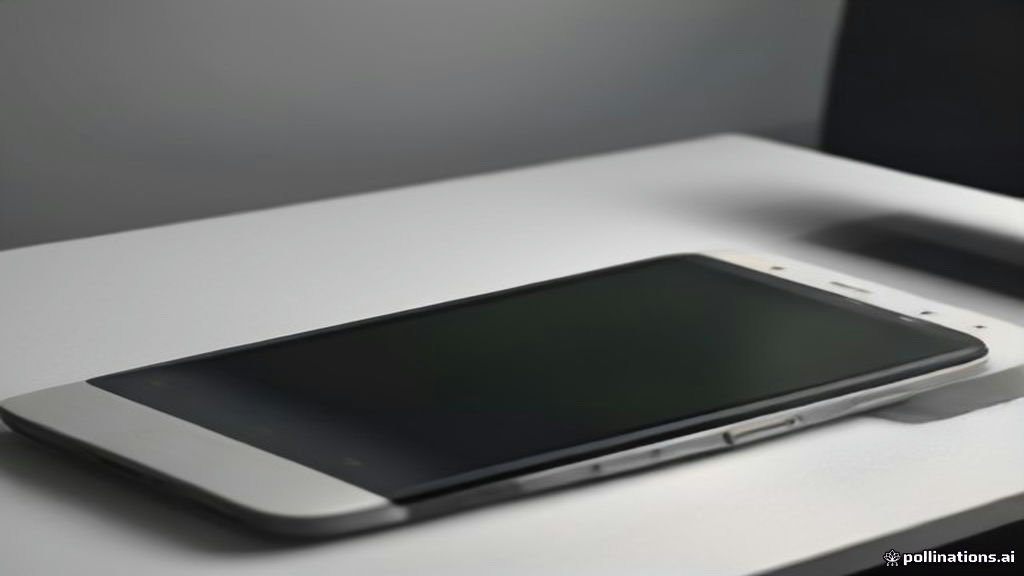
The Apple Watch Series 10 represents a meaningful refinement in wearable engineering, bringing a significantly thinner design and an expanded screen area to Apple's primary smartwatch line. Designed specifically for iPhone owners, this model prioritizes day-to-day comfort, rapid glanceability, and unobtrusive health monitoring. Rather than overhauling the core interface, the hardware updates address long-standing physical dimensions, resulting in a chassis that sits closer to the wrist while presenting more readable text across everyday applications.
Market research and technical teardowns indicate that the reduction in casing thickness stems from re-engineered internal components, including a miniaturized speaker system and an integrated metal backplate that houses the radio antennas. At the same time, Apple introduced a wide-angle OLED panel engineered to emit more light at off-axis angles, improving legibility during workouts or meetings when you cannot tilt your wrist directly toward your face. While battery longevity remains pegged to a single-day lifecycle, faster charging times help offset the need for daily visits to the magnetic puck.
Design and Build
Holding the Apple Watch Series 10 against earlier generations highlights an immediate drop in bulk. At just 9.7 millimeters thick, the casing is noticeably slimmer than prior iterations, sitting flatter on the wrist and sliding smoothly under fitted cuffs or jacket sleeves. Case sizing options have expanded to 42mm and 46mm, accommodating a wide spectrum of wrist circumferences while maintaining balanced proportions. Weight has also been reduced, particularly on the polished aluminum editions, which use lightweight alloys that minimize wrist fatigue during all-day wear and sleep tracking.
The front crystal features subtle curvature that flows into the frame, housing a display with reduced bezels that yield up to thirty percent more active screen real estate compared to older standard models. Reviewers consistently praise the wide-angle OLED technology, noting that off-axis brightness is improved by up to forty percent when viewed from an angle. The casing maintains a 50-meter water resistance rating suitable for pool swimming and recreational shallow water activities, complemented by a built-in depth gauge and water temperature sensor. The acoustic system has been redesigned with smaller apertures, enabling direct media playback from the onboard speaker without requiring paired headphones, although audio quality remains best suited for quick voice memos or casual podcasts rather than immersive music listening.
Key Features and Performance
Powering the device is the S10 SiP, a dual-core processor paired with a dedicated 4-core neural engine. Navigation feels instantaneous, whether flicking through the Smart Stack widget tray, launching demanding fitness apps, or dictating messages via Siri. The on-device neural processing ensures that routine voice queries are parsed locally without latency, while offline Siri capabilities maintain core functionality when you are away from Wi-Fi or cellular service.
Health tracking continues to be the centerpiece of the Series 10 experience. The optical heart sensor and electrical heart sensor deliver certified readings for resting heart rate, high and low heart rate notifications, and single-lead electrocardiograms (ECGs). A primary software capability on this model is sleep apnea detection, which tracks breathing disturbances across nocturnal sleep cycles using data from the precision accelerometer. Over a 30-day tracking window, the algorithm flags moderate-to-severe breathing disruption patterns, generating shareable PDF reports for healthcare providers. Wrist temperature sensing also supports retrospective ovulation estimates and holistic sleep stage breakdowns.
Fitness enthusiasts will find reliable dual-frequency positioning via GPS, GLONASS, Galileo, and QZSS, providing dependable pacing and distance metrics for outdoor runs, cycling, and hikes. Workout screens can display multiple metrics concurrently, leveraging the expanded display area for high-contrast visibility under direct sunlight. However, battery performance remains the standard eighteen hours under typical mixed usage. In testing reports, activating the always-on display alongside outdoor GPS workouts often requires a charge within twenty-four hours. To mitigate this constraint, the charging architecture has been updated: the device can reach an eighty percent charge in roughly thirty minutes when connected to an appropriate high-wattage USB-C power adapter, making a quick top-up during a morning shower entirely viable.
Who It Is For (and Who Should Skip It)
The Apple Watch Series 10 is designed specifically for iPhone users who desire an elevated, full-featured smartwatch that balances advanced health diagnostics with seamless communication. If you prioritize actionable biometric monitoring—such as ECGs, sleep quality analysis, and wrist temperature tracking—packaged within a slim, discreet profile, this watch meets those criteria exceptionally well. It is also an ideal upgrade for individuals holding onto aging hardware with degraded batteries and smaller displays.
Conversely, non-iPhone users should avoid this product entirely, as it requires an iPhone for initial configuration and daily operation; Android owners have no compatibility pathways. Multi-day outdoor adventurers, ultra-endurance runners, and backcountry hikers may also find the battery life limiting. For individuals who routinely spend forty-eight hours or more away from a power outlet during strenuous athletic pursuits, dedicated sports watches or specialized endurance models will prove far more practical.
Alternatives Worth Considering
Before committing to the Series 10, buyers evaluating the wider wearable market should weigh several capable alternatives:
- Samsung Galaxy Watch 7: The premier counterpart for Android users, featuring advanced BioActive sensors, body composition analysis, and a bright AMOLED screen powered by Wear OS. It offers comparable day-to-day smart features, though it remains confined strictly to the Android ecosystem.
- Google Pixel Watch 3: A stylish, circular alternative that brings comprehensive Fitbit health architecture to Wear OS. Available in multiple sizes with exceptional haptic feedback, it serves as the closest design rival for those operating within Google's device ecosystem.
- Garmin Venu 3: Designed for cross-platform compatibility with both iOS and Android, this lifestyle sports watch trades deep interactive app notifications for remarkable battery life, consistently lasting up to five to ten days on a single charge while delivering granular fitness analytics.
Final Verdict
The Apple Watch Series 10 refines the modern smartwatch formula by addressing physical ergonomics without sacrificing processing speed or sensor fidelity. The thinner chassis makes nighttime wear significantly more natural, while the expansive, wide-angle display ensures information is readily accessible in dynamic environments. Although the recurring requirement for daily charging remains an operational reality, the implementation of faster charging cycles reduces friction. For the broader iOS community seeking an intuitive blend of wellness monitoring, communication tools, and durable craftsmanship, the Series 10 stands as an exceptionally polished daily companion.