Overview
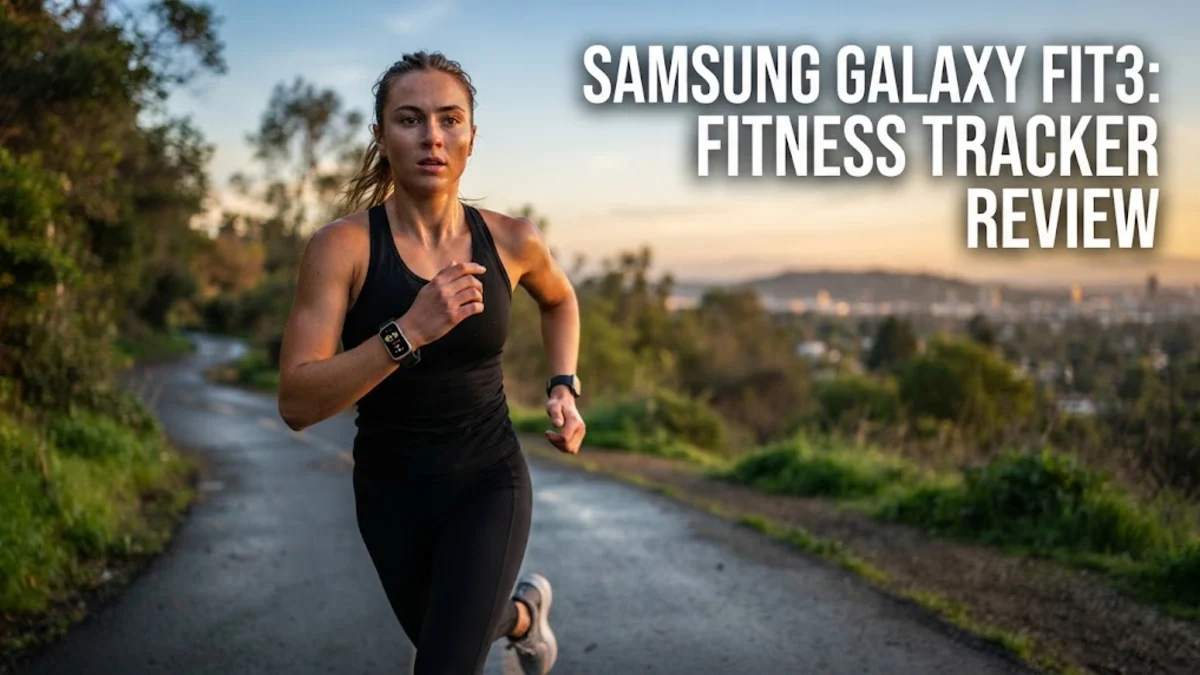
The fitness tracker market has evolved significantly over the past year, and the Samsung Galaxy Fit3 arrives as a testament to the fact that you do not need to spend hundreds of dollars to get a high-quality wearable experience. Positioned as a direct successor to the previous generation, this device shifts the design language toward a wider, more display-focused aesthetic. It is not trying to be a full-fledged computer for your wrist like the premium Apple Watch or the more robust Garmin Fenix series. Instead, it occupies a vital middle ground for users who want to track their health metrics without the cognitive load of a complex smartwatch. The device is built for daily wear, focusing on reliability, comfort, and deep integration with the Samsung Health ecosystem. It serves as a personal health companion that logs your activity levels, helps manage your sleep cycles, and keeps you connected to your phone notifications, all while maintaining a battery life that keeps you off the charger for nearly two weeks.
Design and Build
When you first handle the Galaxy Fit3, you will notice the substantial leap in build quality compared to its predecessors. It features an aluminum chassis that elevates it above the plastic-heavy designs typical of budget trackers. This material choice does more than just make the device feel more premium; it adds a degree of durability that is appreciated during heavy daily use. The rectangular screen measures 1.6 inches and utilizes AMOLED technology, which is a significant win for readability. Colors are deep and punchy, and the blacks blend perfectly with the dark bezels, creating a sleek, unified appearance. The device is thin enough to slide under a dress shirt cuff without issue, and at just 18.5 grams for the body, it is remarkably lightweight.
Comfort is a paramount concern for a device intended for 24-hour use, and the Fit3 excels here. The silicone band included in the box is soft against the skin and flexible enough that you will likely forget you are wearing it after an hour. One of the most important design upgrades is the new one-click mechanism for the strap, which allows for effortless customization. If you find yourself needing to swap for a different color or material during the day, the change takes only a few seconds. The device is water-resistant up to 5ATM, meaning you can safely shower, wash dishes, or go for a swim in a pool without worrying about internal damage, though it is not intended for deep-sea diving or high-velocity water sports.
Key Features and Performance
The core of the Galaxy Fit3 experience is built around the Samsung Health interface. The internal sensors provide 24/7 heart rate monitoring, blood oxygen saturation tracking, and stress tracking. When you are going about your daily routine, the tracker is quite effective at logging steps, which it does with impressive consistency compared to standard pedometers. The step counting is sensitive enough to catch movement accurately but refined enough to filter out random wrist movements, like brushing your teeth or typing at a desk.
Exercise tracking is handled through a wide array of pre-loaded modes. Whether you are doing basic walking, running, cycling, or using a rowing machine, the tracker identifies these activities quite well. A notable performance quirk is that while it does an excellent job logging intensity and duration, it lacks an internal GPS chip. For runners who are serious about their route accuracy, this means you must bring your phone with you to record location data. This is a deliberate trade-off by the manufacturer to maintain the slim form factor and extended battery life. During our research into user experiences, it was frequently noted that for the casual gym-goer or neighborhood jogger, the connection to the phone's GPS is seamless enough that it rarely feels like a burden. However, for those who prefer to leave their phone behind, this represents a major limitation.
Sleep tracking is another strong pillar of the Fit3. The tracker monitors your sleep stages—awake, light, deep, and REM—and offers comprehensive reporting within the app. It even provides a sleep coaching program that attempts to help you improve your rest quality over time. This data is presented in a way that is easy to digest, which is helpful for users who do not want to wade through complex medical jargon.
Who It Is For (and Who Should Skip It)
Deciding whether the Fit3 is right for you boils down to your ecosystem and your goals. If you are a Samsung Galaxy smartphone user, the Fit3 is an incredibly logical purchase. The ecosystem integration—such as viewing notifications, controlling music playback on your phone, and using the find my phone feature—is executed with a level of polish that is hard to replicate on third-party devices. It serves as a discreet, low-maintenance dashboard for your phone life.
This device is also well-suited for people who are just starting a health journey. If you have never used a tracker before, the intuitive interface will not overwhelm you. However, you should consider skipping this model if you are a power user who requires advanced metrics like VO2 Max or training load readiness. Additionally, if you own an iPhone, you should avoid the Fit3 entirely as it is designed for Android compatibility only. For users who prioritize independent GPS mapping or who want to install a vast array of third-party apps, a more premium smartwatch remains the better choice, despite the higher cost and lower battery efficiency.
Alternatives Worth Considering
If you are exploring your options, the landscape for affordable wearables is quite competitive. The Fitbit Inspire 3 is perhaps the most immediate competitor, offering a similarly lightweight design and a very strong focus on sleep data and stress management. While Fitbit has arguably superior long-term health trends reporting, you might miss the display size and build quality of the Samsung model. Another strong contender is the Xiaomi Smart Band 9. It offers an incredible price-to-performance ratio and typically beats everyone in battery longevity, often lasting well over two weeks. However, the software experience is often cited as less refined than Samsung's offering. The Garmin Vivofit 4 represents a different philosophy; it is essentially a set-and-forget device with a battery that lasts for months, but it lacks the vibrant AMOLED screen and smart connectivity that make the Galaxy Fit3 so enjoyable to use daily.
Final Verdict
After reviewing the feature set, the build materials, and the user-centric performance metrics, the Samsung Galaxy Fit3 proves to be a top-tier contender in the entry-level wearable category. It makes very smart choices about what to include to keep the user experience streamlined and effective. You get a gorgeous, high-resolution screen, a premium aluminum body, and a stable health platform, all for a price that remains highly accessible. While it does have some drawbacks—most notably the dependence on your phone for GPS tracking and the lack of advanced training data—these are clear and fair trade-offs for the form factor and battery life provided. For the overwhelming majority of shoppers, this tracker provides all the data needed to keep moving and stay healthy without adding complexity to their busy lives. It is a reliable, attractive, and genuinely useful piece of technology.