Overview
In the rapidly evolving landscape of 2026 portable storage, the Kingston XS2000 continues to hold a unique position. While many high-speed external drives have become bulkier to accommodate heat sinks and advanced controllers, Kingston has gone in the opposite direction. The XS2000 is designed for the user who demands NVMe-level performance without the footprint of a traditional external drive. It leverages the USB 3.2 Gen 2x2 interface to deliver theoretical speeds of up to 2,000MB/s, effectively doubling the throughput of the more common 10Gbps drives that dominated the market just a few years ago.
You will find that this drive is marketed primarily toward content creators, photographers, and gamers who need to move large files—like 8K video footage or massive game libraries—between devices quickly. However, the XS2000 isn't just about raw speed; it also emphasizes durability and mobility. It comes equipped with a removable rubber sleeve that provides a layer of physical protection, and it carries an IP55 rating. In a market saturated with options from tech giants like Samsung and Crucial, the XS2000 distinguishes itself by being one of the smallest high-performance SSDs available today. As you consider your storage needs for 2026, understanding how this drive balances its tiny size with its high-speed aspirations is crucial.
Design and Build
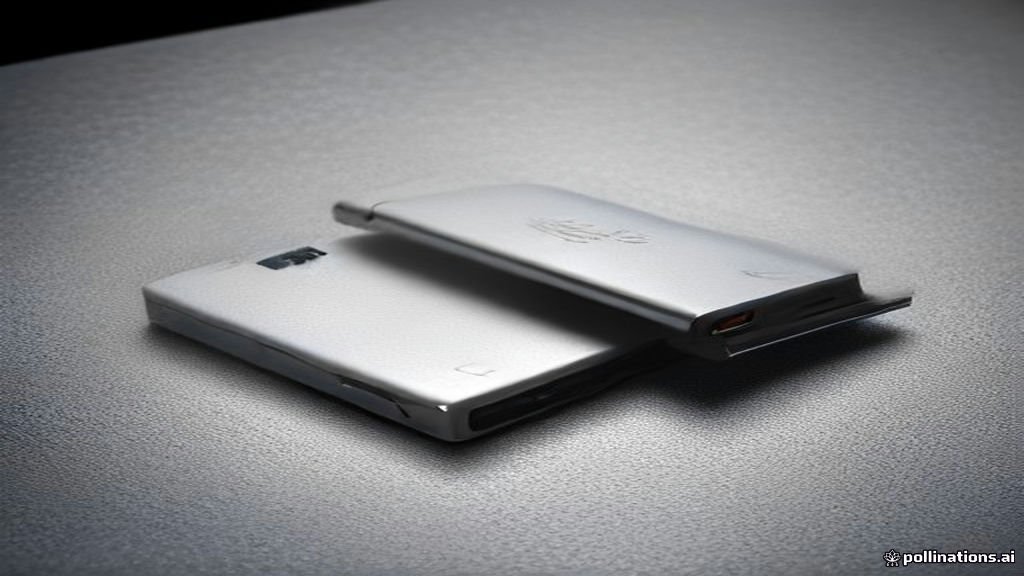
The first thing you will notice about the Kingston XS2000 is its remarkably small size. Measuring just 69.5 x 32.6 x 13.5 mm and weighing a mere 28.9 grams, it is significantly smaller than its primary competitors. To put this in perspective, it is roughly the size of a standard cigarette lighter or a large thumb drive. This makes it one of the few truly "pocketable" SSDs that doesn't feel like a burden when carried in a pocket or a small tech pouch. The chassis is constructed from a combination of metal and high-quality plastic, giving it a premium feel despite its light weight.
Kingston includes a removable, light-grey rubber sleeve in the box. This sleeve is more than just an aesthetic choice; it provides the drive with its IP55 rating, meaning it is protected against dust ingress and low-pressure water jets. While you shouldn't take it swimming, it is more than capable of surviving a spilled drink or a dusty photoshoot in the field. The design is minimalist, featuring only a single USB-C port and a small LED indicator that blinks during data transfers. Research indicates that users appreciate this simplicity, though the lack of an integrated cable management system means you will still need to keep track of the included USB-C to USB-C cable. The build quality feels solid, and while the drive can get warm during operation (which we will discuss later), the metal portion of the casing does a decent job of dissipating heat away from the internal components.
Key Features and Performance
The headline feature of the Kingston XS2000 is its support for the USB 3.2 Gen 2x2 protocol. This interface uses two lanes of 10Gbps data simultaneously to achieve a total bandwidth of 20Gbps. In ideal conditions, manufacturer specifications and expert benchmarks show the drive hitting sequential read and write speeds of up to 2,000MB/s. If you are moving a 100GB video project, this drive can theoretically finish the task in just under a minute, provided your host device supports the full 20Gbps standard. It is important to note that many older laptops and even some current-generation MacBooks do not support USB 3.2 Gen 2x2 natively, often defaulting to 10Gbps (approx. 1,000MB/s). You should verify your hardware's compatibility if the 2,000MB/s peak is your primary reason for buying.
For gamers, the XS2000 is an excellent companion for consoles or high-end gaming laptops. Its fast random access times mean that games stored on the drive load nearly as quickly as they would from an internal NVMe SSD. For photographers, the drive is fast enough to allow for direct editing of high-resolution RAW files or 4K/8K video directly from the external storage without noticeable lag. However, research into long-term performance reveals a common trait of ultra-compact SSDs: thermal throttling. Because there is limited surface area for heat dissipation, the drive may reduce its speeds during extremely large, sustained transfers (typically after moving 150GB to 200GB of data at once). For the majority of daily tasks, this is rarely an issue, but it is something to keep in mind if you frequently move multi-terabyte datasets in a single session.
Who It Is For (and Who Should Skip It)
The Kingston XS2000 is tailor-made for the "prosumer" who prioritizes size above all else. If you are a travel photographer or a drone pilot who needs to offload footage in the field and wants a drive that can fit into a coin pocket, this is arguably the best option on the market. It is also an ideal choice for iPhone 15, 16, and 17 Pro users who want to record ProRes video directly to external storage, as its light weight doesn't unbalance the phone when attached with a short cable or a mounting bracket.
Conversely, there are groups who should look elsewhere. If your workflow involves highly sensitive data, you may find the lack of hardware-based AES 256-bit encryption a dealbreaker. Unlike the Samsung T-series, the XS2000 does not include a dedicated security chip for password protection at the hardware level; you would need to rely on software solutions like BitLocker or VeraCrypt. Additionally, if you primarily use Apple hardware, you should be aware that most Macs (including those released through 2025) do not support the 20Gbps USB 3.2 Gen 2x2 standard. On a Mac, the XS2000 will typically peak at 1,000MB/s. In that case, you might be better off with a dedicated Thunderbolt 4 drive or a more affordable 10Gbps drive unless you specifically want the XS2000 for its tiny form factor.
Alternatives Worth Considering
If you need 20Gbps speeds but want better thermal management, the Samsung T9 is a formidable competitor. It is significantly larger and heavier than the XS2000, but its forged aluminum body and advanced thermal interface material allow it to maintain peak speeds for longer periods. It also includes hardware encryption, which the Kingston lacks. However, you will pay a premium for the Samsung brand and the more robust build.
Another strong alternative is the Crucial X10 Pro. This drive offers similar 2,100MB/s speeds and is also quite compact, though not as small as the XS2000. The X10 Pro features a more integrated design with a built-in lanyard hole and better sustained write performance in many expert tests. For those who want the fastest possible speeds regardless of the interface, Thunderbolt 4 drives like the LaCie Rugged SSD Pro offer speeds up to 2,800MB/s, but they are much more expensive and require a dedicated Thunderbolt port to function at all.
Final Verdict
The Kingston XS2000 is a masterclass in miniaturization. In an era where digital files are growing larger by the day, having 2TB or 4TB of high-speed storage in a device the size of a thumb drive is a genuine convenience. Its performance is top-tier for the USB 3.2 Gen 2x2 category, and the inclusion of the rubber sleeve ensures it can handle the rigors of travel. While it lacks the hardware encryption found in some rival drives and can get quite warm under heavy load, these are trade-offs that many will be willing to make for its unparalleled portability. If your hardware can support its 20Gbps interface, the XS2000 offers a compelling mix of speed and size that few other drives in 2026 can match. It remains a recommended choice for mobile creators who want to keep their kits as light as possible without sacrificing transfer efficiency.