Overview
As the portable power market shifts toward more durable battery chemistries and smarter features, the Jackery Explorer 300 Plus arrives as a significant update to the brand’s entry-level lineup. In 2026, outdoor enthusiasts and remote workers demand more than just a large battery; they require longevity, fast-charging ports, and a form factor that does not require a trolley to move. This model represents Jackery’s move into the 'Plus' series for its smaller units, most notably introducing Lithium Iron Phosphate (LiFePO4) technology to a segment once dominated by standard Lithium-ion. This shift is crucial for consumers who want a device that lasts for years of regular use rather than just a few seasons. Research into current market trends shows that the 300Wh capacity range is the sweet spot for light travelers, providing enough energy to keep a laptop, phone, and camera gear running for a weekend without the excessive weight of larger backup units. The Explorer 300 Plus balances these needs while maintaining the iconic rugged aesthetic that has made the brand a staple in North America, Europe, and Australia.
Design and Build
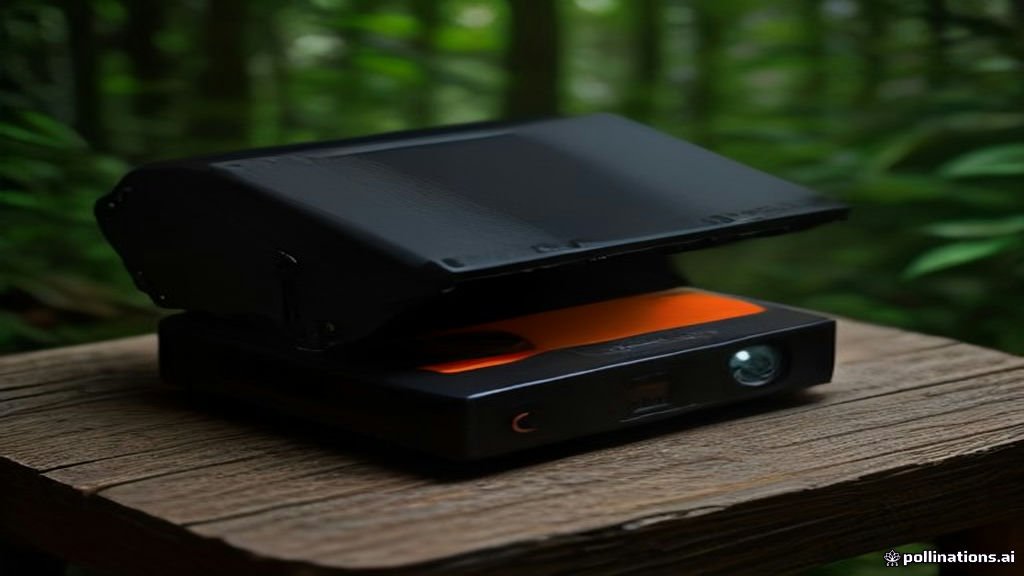
The first thing you will notice about the Jackery Explorer 300 Plus is its remarkably compact footprint. Weighing in at approximately 8.27 pounds (3.75 kg), it is light enough to carry with one hand for extended periods, making it a viable option for walk-in campsites or beach days. The design retains the signature matte black and vibrant orange color scheme, which serves a practical purpose: it is easy to spot in low-light environments or cluttered trunks. A standout design feature is the folding handle. Unlike fixed handles that can make packing difficult, this handle tucks away flush with the top of the unit, allowing you to stack other gear on top of it when space is at a premium. The build quality feels robust, with high-impact plastics and reinforced corners that suggest it can withstand the vibrations of a bumpy road. On the front, the layout is intuitive. You will find a bright, backlit LCD that provides real-time data on input and output wattage, battery percentage, and estimated remaining run time. This display remains one of the best in the industry for its clarity and accuracy. Below the screen, the ports are neatly grouped and protected by the over-molded chassis, though notably, they do not include rubber dust covers, which is something to keep in mind if you frequently camp in sandy or dusty environments.
Key Features and Performance
At the heart of the Jackery Explorer 300 Plus is a 288Wh LiFePO4 battery. This chemistry is a major selling point in 2026 because it supports over 3,000 charge cycles before dropping to 80% of its original capacity. In practical terms, if you used this unit twice a week, every week, it would likely serve you for over a decade. The inverter provides 300W of continuous Pure Sine Wave power, with a peak surge capacity of 600W. While this will not run a coffee maker or a hair dryer, it is more than sufficient for CPAP machines, small fans, and electric blankets. One of the most praised aspects of the 300 Plus is its port selection. It features two USB-C ports, one of which supports 100W Power Delivery (PD) output. This is a game-changer for modern travelers, as it can charge a high-end laptop at full speed without needing the bulky AC brick. There is also a single 15W USB-A port for legacy devices and a standard 12V car socket. However, the unit only features a single AC outlet. While this simplifies the design, some users may find it limiting if they need to plug in multiple small appliances simultaneously without using a power strip. Charging performance is equally impressive. When plugged into a standard wall outlet, the unit can reach a full charge in roughly two hours. For those heading off-grid, it supports up to 100W of solar input. Verified buyer feedback suggests that in real-world sunny conditions, a 100W panel can top off the battery in 4 to 5 hours, making it a truly sustainable option for multi-day trips.
Who It Is For (and Who Should Skip It)
The Jackery Explorer 300 Plus is tailor-made for the digital nomad and the weekend warrior. If your primary goal is to keep a smartphone, tablet, and laptop charged while working from a van or a remote cabin, this unit is arguably one of the best options in its weight class. It also serves as an excellent power source for CPAP users who enjoy camping, as the 288Wh capacity can typically power most modern CPAP machines for one to two nights depending on pressure settings and humidifier use. Photographers and drone pilots will also appreciate the 100W USB-C port for fast field charging of batteries. Conversely, this is not the right choice for home backup during major outages. If you need to run a full-sized refrigerator, a microwave, or a sump pump, you will need to look at the larger Jackery Explorer 2000 Plus or similar high-capacity units. Additionally, if you are a 'budget-first' shopper, you might find the price-to-capacity ratio slightly higher than some entry-level competitors, as you are paying a premium for the Jackery brand reputation and the specific portability features like the folding handle and refined app integration.
Alternatives Worth Considering
The most direct competitor is the EcoFlow RIVER 2. The RIVER 2 is slightly lighter and often features faster wall charging speeds, though many users prefer the ergonomic design and the folding handle of the Jackery. Another strong alternative is the Bluetti EB3A. The Bluetti offers a higher AC output (600W) and a built-in LED light, which the Jackery lacks, but it has faced some criticism in expert reviews for its cooling fan noise and firmware consistency compared to the more polished Jackery app experience. If you require more ports, the Anker 522 Portable Power Station provides more AC outlets in a similar size category, though it lacks the high-speed 100W USB-C output found on the 300 Plus. For those who are already invested in the Jackery ecosystem, the 300 Plus is a logical upgrade from the older Explorer 240 or 300 models, primarily due to the vastly superior battery lifespan of the LFP cells.
Final Verdict
The Jackery Explorer 300 Plus successfully modernizes the compact power station category. By combining a 10-year lifespan battery with high-speed USB-C charging and a highly portable chassis, it addresses the most common needs of today’s outdoor enthusiasts. While the inclusion of only a single AC outlet and the lack of a built-in flashlight are minor drawbacks, the overall reliability and ease of use make it a standout product. It provides a sense of security for travelers who need to stay connected without the bulk of a traditional generator. If you value build quality, a refined user interface, and a brand with a proven track record in the US and UK markets, the Explorer 300 Plus is a top-tier choice for your next adventure.