Overview
In the rapidly evolving landscape of portable power, the Jackery Explorer 2000 Plus stands as a cornerstone of the brand’s modern lineup. For years, Jackery was known for its iconic orange-and-black lithium-ion units, but as the market shifted toward safer, longer-lasting chemistries, the Explorer 2000 Plus arrived to lead the charge into the LiFePO4 (Lithium Iron Phosphate) era. This unit isn't just a slight upgrade; it represents a complete overhaul in performance, durability, and scalability. Designed to bridge the gap between a portable camping battery and a full home-backup solution, it offers a base capacity of 2042.8Wh and an impressive 3000W of continuous AC output.
As you look at the options available in 2026, the Explorer 2000 Plus remains a top contender for those who need high-wattage throughput. Whether you are running a critical medical device like a CPAP machine through the night, powering a high-draw espresso machine in your camper van, or keeping your refrigerator running during a grid failure, this unit provides the necessary headroom. Research into the model’s architecture reveals that Jackery has prioritized two things: ease of movement and massive power delivery. It is a heavy-duty machine, but it comes with the physical features necessary to make that weight manageable for the average user.
Design and Build
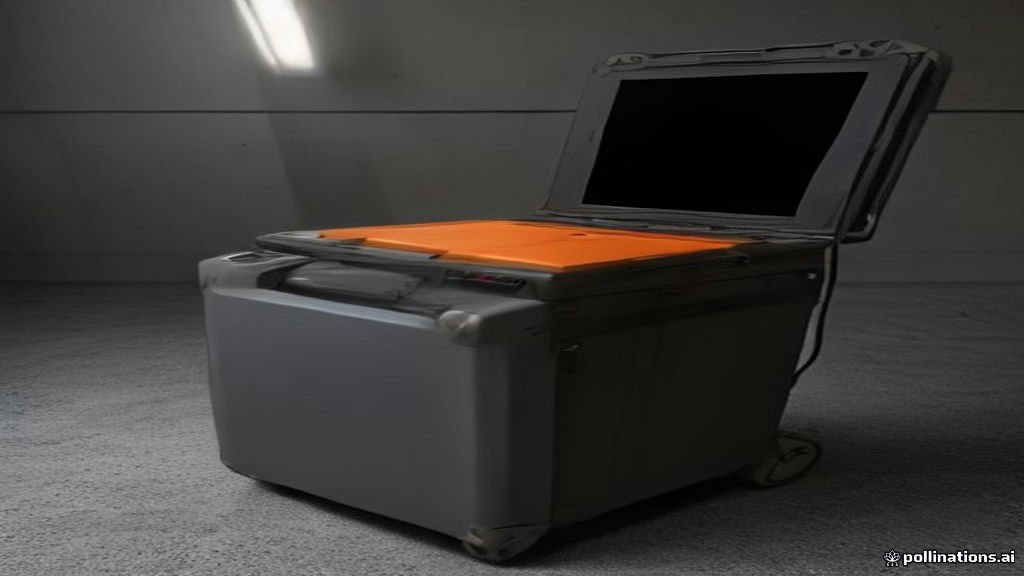
When you first see the Jackery Explorer 2000 Plus, you will notice its substantial size. Weighing in at approximately 61.5 pounds (27.9 kg), it is not a device you will want to carry by a single handle for long distances. To address this, Jackery has integrated a set of rugged, industrial-grade wheels and a telescopic, luggage-style handle. Based on user feedback and technical teardowns, these wheels are designed to handle more than just flat pavement; they are robust enough for gravel paths and packed dirt at a campsite. This design choice makes the 2000 Plus one of the more mobile high-capacity units on the market, despite its bulk.
The build quality is remarkably high. The chassis is constructed from flame-retardant materials and features reinforced corners to withstand the bumps and vibrations common in RV and van life. On the front panel, you are greeted by a clear, informative LCD screen. This display provides real-time data on input and output wattage, battery percentage, and estimated remaining run time—a critical feature when you are managing limited energy reserves. The ports are neatly organized, with the AC outlets featuring a 3000W rating, capable of surging up to 6000W. This means it can handle the initial 'inrush' current required to start motorized appliances like air conditioners or sump pumps.
Key Features and Performance
The heart of the Explorer 2000 Plus is its LiFePO4 battery chemistry. One of the primary advantages of this technology is its longevity. Manufacturer specifications state that the unit can undergo 4,000 charge cycles before the battery capacity drops to 70% of its original state. For most users, this translates to over a decade of regular use, solving one of the main complaints regarding older lithium-ion units that would degrade after just a few years. Safety is another hallmark of LFP, as it is significantly more thermally stable than other lithium chemistries.
In terms of performance, the 3000W AC output is the headline feature. During research into high-draw testing, this unit successfully powered high-wattage tools like circular saws and heavy-duty hair dryers simultaneously. For those using it as a home backup solution, the unit features an Emergency Power Supply (EPS) mode. While not a true, zero-millisecond UPS (Uninterruptible Power Supply) suitable for sensitive high-end servers, it switches over in less than 20 milliseconds, which is fast enough to keep most household appliances and desktop computers running during a flicker or a full outage.
Charging the Explorer 2000 Plus is impressively efficient. When plugged into a standard wall outlet, it can reach a full charge in roughly 1.7 to 2 hours. If you are off-grid, the unit supports up to 1200W of solar input. While some competitors allow for even higher solar intake, Jackery’s 1200W limit still allows for a full recharge in under 2.5 hours of peak sunlight if you have a full array of panels. Furthermore, the unit is remarkably quiet. Even under heavy loads, the internal cooling fans maintain a manageable decibel level, making it suitable for use inside a small tent or van without becoming an acoustic nuisance.
Who It Is For (and Who Should Skip It)
The Jackery Explorer 2000 Plus is an ideal choice for the dedicated RVer or the homeowner living in an area prone to frequent, short-term power outages. Its ability to scale up to 24kWh by adding Jackery Battery Pack 2000 units makes it a legitimate alternative to gas generators for those who want a silent, exhaust-free experience. If you are a professional contractor needing to run power tools on a site without grid access, the high surge capacity is exactly what you need.
However, this is not the right choice for the casual weekend hiker or light packer. If your primary goal is to keep a smartphone and a laptop charged while tent camping, the 2000 Plus is excessive and far too heavy. For those users, a smaller unit like the Jackery Explorer 500 or 1000 v2 would be much more practical. Additionally, if you have very limited storage space, the physical footprint of the 2000 Plus—even with its clever handle—might be a dealbreaker. It requires a dedicated spot in your trunk or storage locker.
Alternatives Worth Considering
When shopping in this category, the EcoFlow DELTA 2 Max is often the closest rival. The EcoFlow offers a slightly more advanced app interface and faster multi-charge options (combining AC and solar), but the Jackery is often praised for its simpler, more rugged physical interface and quieter fan profile. Another strong contender is the Bluetti AC200L, which often retails at a slightly lower price point. The Bluetti provides a similar 2400W output but lacks the integrated suitcase-style wheels that make the Jackery so much easier to transport alone.
Finally, for those who are already invested in the Anker ecosystem, the Anker SOLIX F2000 (formerly known as the 767) is a direct competitor. The Anker features a very similar wheeled design and LFP chemistry. The choice between them often comes down to current pricing and whether you prefer Jackery’s extensive ecosystem of folding solar panels, which are widely considered some of the most durable in the industry.
Final Verdict
The Jackery Explorer 2000 Plus represents a peak in the "Plus" series, offering a blend of high-end power and user-friendly mobility. While it is a significant investment, the 10-year lifespan of the LFP battery and the massive 3000W output justify the cost for those who rely on portable power for their lifestyle or safety. It isn't the lightest or the cheapest, but it is one of the most well-rounded and dependable power stations available in the 2kWh-to-24kWh range. If you need a power source that can grow with your needs through expansion batteries and withstand the rigors of travel, the Explorer 2000 Plus is a top-tier recommendation.