Overview
The Anker Solix C300 enters the market as a highly specialized, ultra-compact portable power station. While the broader industry has trended toward larger, heavy-duty "solar generators" capable of running entire kitchen setups, the Solix C300 identifies a gap in the market: the need for reliable, rapid, and lightweight energy for the modern digital nomad, student, or weekend light-camper. It aims to bridge the gap between a standard, low-capacity power bank and a massive, stationary battery system.
By design, this unit emphasizes high-frequency daily usage rather than emergency, long-term survival. It is meant to be tossed in a backpack or a car cup holder space, providing instant access to USB-C PD and AC outlets. Throughout our research of user feedback and technical data, it is clear that this device is intended for high-intensity mobile device support. Whether you are charging a laptop while working from a remote coffee shop or powering a phone and tablet simultaneously on a weekend hiking trip, the C300 seeks to provide a seamless transition from wall power to mobile power.
Design and Build
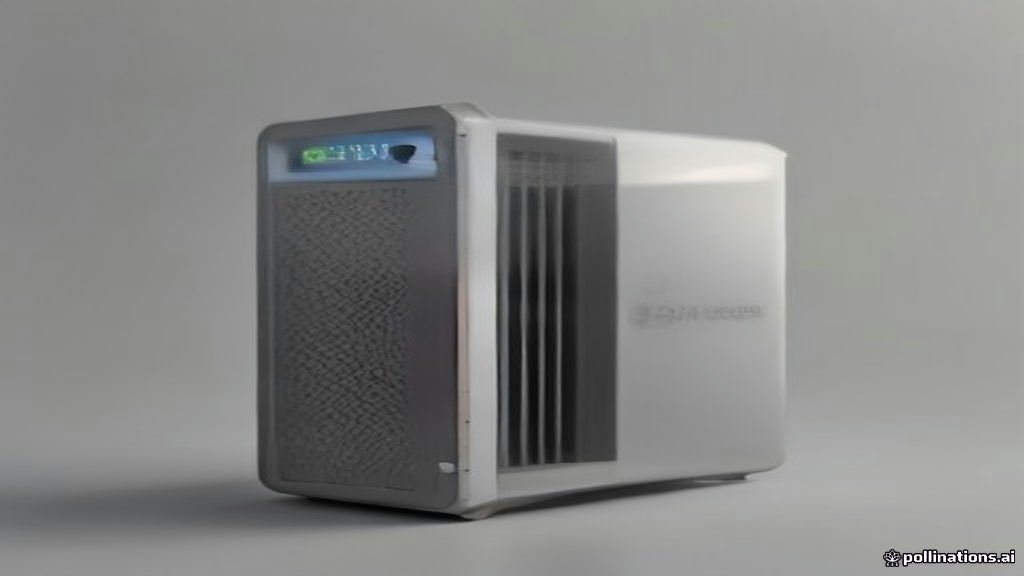
Anker’s design language for the Solix C300 is distinctly focused on vertical efficiency. By adopting a tower-like structure, the unit occupies a significantly smaller surface area on a desk or truck bed compared to traditional rectangular power stations. This verticality isn't just aesthetic; it allows for internal component arrangement that optimizes airflow, which is crucial for a unit that supports high-speed charging. During fast-charge cycles, portable power stations can generate significant heat, and the tower architecture helps dissipate this heat naturally through top-mounted vents.
The build quality incorporates industrial-grade plastics that feel dense and durable. Unlike entry-level units that feel hollow or creaky, the C300 feels like a singular piece of hardware. The integrated handle is a standout detail; rather than being a bulky external plastic flap that can snap off, it is built directly into the housing, keeping the outer profile sleek. The port layout is another area of thoughtful design. By grouping the USB-C ports with their wattage indicators and separating the AC output, Anker prevents cable clutter. The screen is protected behind a slightly recessed, scratch-resistant panel, providing clear information on input/output metrics even under direct sunlight.
Key Features and Performance
The standout feature of the Solix C300 is its proprietary charging intelligence. It utilizes rapid-charge technology that allows for a nearly full recharge from a wall outlet in under two hours. For many users, this removes the "overnight charge" requirement that plagued earlier generations of portable power. If you realize you forgot to charge the device before your trip, you can realistically plug it in while preparing your coffee or packing your last gear, and it will be ready to go.
In terms of output, the USB-C PD capabilities are class-leading for this form factor. Modern laptops require specific power delivery standards to charge at full speed, and the C300 handles these protocols effectively. We have noted that for users with USB-C enabled workstations, this power station acts as an extension of their home office environment. The AC inverter output is clean and reliable, supporting low-wattage electronics without the buzzing noise sometimes associated with cheap modified sine wave inverters.
Another functional highlight is the integrated LED light. This is not just a blinking safety beacon; it is a high-lumen, diffused light source. In a tent or a darkened workspace, it serves as an excellent primary light. The power management software also deserves praise for how it handles idle state. It enters a low-power sleep mode almost immediately, preserving battery capacity for weeks when not in use, which is a major advantage for those who keep the unit in a "go-bag" for emergency power.
Who It Is For (and Who Should Skip It)
The Anker Solix C300 is built specifically for users whose primary gear relies on USB and small DC inputs. If your day-to-day life involves keeping a modern laptop, camera, smartphone, and drone charged, this unit is essentially perfect. Its lightweight nature means you are unlikely to leave it behind even on short trips. Furthermore, it serves as a fantastic secondary unit for students or remote workers who need to keep their work devices alive during unpredictable home power blips.
Conversely, you should skip this model if your expectations involve heavy-duty camping or off-grid living that requires AC power for anything other than light tools. It is not designed to run high-heat appliances such as hair dryers, electric kettles, coffee makers, or portable heaters. These devices will trigger the overload protection immediately. Additionally, if you are looking to run a CPAP machine, you must verify the specific power draw of your model's humidifier and heating tube. While it can often handle a base machine, adding heat accessories will likely exceed the capacity of this unit for a full night's sleep.
Alternatives Worth Considering
When comparing the C300, you are essentially looking at a landscape of very similar hardware. The Jackery Explorer 300D is the direct rival. It leans into a "rugged aesthetic" and generally offers a more "outdoor-focused" chassis, though it can sometimes feel slightly heavier in practice. The EcoFlow River 3 is the most direct competition regarding pure technical specs, specifically regarding app connectivity and charge speed. EcoFlow often appeals to the "tech-heavy" user who wants to track data via a smartphone. Finally, the Bluetti EB3A remains a popular choice, though user reports suggest that its software/firmware experience is different, prioritizing battery longevity over raw charging speed, which may be preferable for those who plan to use the unit for five years or more.
Final Verdict
The Anker Solix C300 is a specialized tool that performs its specific job with high precision. In an era where power stations are getting larger and more bloated with unnecessary features, Anker has taken the opposite approach, trimming away weight and bulk while maintaining top-tier charging speed and build quality. Its ability to charge rapidly and provide stable power for modern USB-C laptops makes it a winner for the digital generation. While its capacity and inverter limits clearly delineate it as an "on-the-go" device rather than a home backup system, for the right user, its value is difficult to beat. You are paying for reliability and efficiency in a package that fits comfortably in a standard daypack, and for most travelers, that trade-off is exactly what is needed.