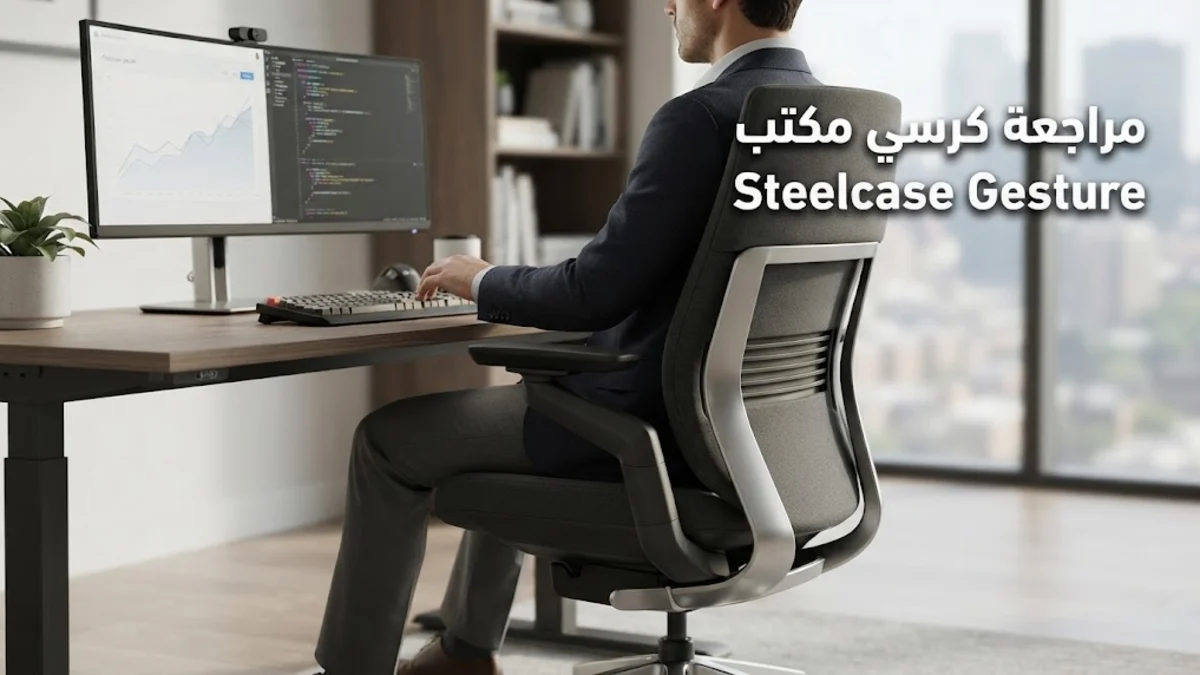
Overview
In the evolving landscape of the modern home office, the Steelcase Gesture remains a benchmark for ergonomic innovation. First conceptualized following a global posture study that identified nine new sitting positions influenced by mobile technology, the Gesture was designed not just as a piece of furniture, but as an interface between the human body and the digital world. While many chairs focus on a singular, upright tasking position, the Gesture is built to accommodate the way you actually work in 2026: reclining with a tablet, leaning into a smartphone, or hunching over a specialized controller. Experts frequently cite the Gesture as a top contender for the title of the world’s best office chair because it avoids the rigid constraints of traditional ergonomics, opting instead for a fluid system that moves with the user. This review examines the manufacturer specifications and common patterns in user feedback to determine if this high-end investment still delivers the value needed for a high-performance home office setup.
Design and Build
The design of the Steelcase Gesture is a marriage of industrial engineering and sleek aesthetics. Unlike some ergonomic chairs that look like medical equipment, the Gesture has a refined, modern silhouette that fits comfortably in a high-end home office. The build quality is exceptional, featuring a combination of glass-reinforced nylon, cast aluminum, and high-performance textiles. Weighing in at approximately 70 pounds, the chair feels incredibly substantial and stable. Verified buyers often comment on the chair’s weight, noting that it provides a sense of security and durability that cheaper alternatives lack. The chair is available in a vast array of finishes, from the breathable Cogent: Connect fabric to premium leathers, allowing you to match it to your personal decor. One of the standout build features is the 12-year warranty, which covers virtually every component of the chair. This is a significant point of praise in expert reviews, as it reflects the manufacturer’s confidence in the chair’s longevity. Furthermore, the Gesture typically ships fully assembled in a massive box, sparing you the frustration of complex construction. This level of service is a hallmark of the premium Steelcase experience, ensuring that the chair is structurally sound and ready for use the moment it arrives at your door.
Key Features and Performance
The defining feature of the Steelcase Gesture is undoubtedly its 360-degree armrests. While most high-end chairs offer 4D arms that move up, down, side-to-side, and pivot, the Gesture arms are modeled after the human shoulder. They can move in a full range of motion, allowing you to pull them in close for support while using a smartphone or push them wide and low when you need space to move. Research suggests this flexibility is crucial for preventing shoulder and neck strain, especially for users who frequently switch between different devices. Another critical component is the 3D LiveBack technology. This system mimics the natural movement of the human spine, changing shape as you recline or shift in your seat to maintain constant support. The chair also features a Core Equalizer, which automatically adjusts the level of lumbar support based on the angle of your recline. When you sit upright, the system provides more support; as you lean back, it eases off to prevent your spine from being pushed forward awkwardly. The seat design is equally thoughtful, utilizing a waterfall edge that flexes to relieve pressure on the back of your thighs. Inside the seat pan, thin air pockets are integrated into the foam to provide long-term comfort without the foam ‘bottoming out’ over several years of use. In terms of performance, the Gesture is often described as a ‘sit and forget’ chair. Once you have dialed in the tension and height, the chair responds intuitively to your movements, providing a seamless experience whether you are in a deep focus state or a relaxed meeting mode.
Who It Is For (and Who Should Skip It)
The Steelcase Gesture is an ideal choice for the ‘dynamic sitter’—someone who is constantly shifting positions, crossing their legs, or moving between a laptop and a mobile device. Its wide range of adjustability makes it suitable for a broad spectrum of body types, typically ranging from the 5th to the 95th percentile of adult heights and weights. If you have struggled to find a chair where the armrests actually reach your elbows without hitting the desk, the Gesture is likely the solution. It is also a top recommendation for those suffering from chronic back pain, as the LiveBack system provides more active support than the passive mesh found in other brands. However, there are some users who should skip the Gesture. If you prefer the firm, suspension-like feel of a mesh chair, the Gesture’s padded fabric seat might feel too traditional. Additionally, users who prefer a very soft, plush ‘executive’ style chair may find the Gesture’s seat to be on the firmer side. Finally, the price is a significant barrier. If your budget is strictly under four figures, the Gesture will likely be out of reach unless you look for a refurbished model, and you may find better value in a high-quality mid-range chair like the Branch Ergonomic Chair, even if it lacks the Gesture’s sophisticated arm movements.
Alternatives Worth Considering
When shopping in this price bracket, the most common alternative is the Herman Miller Embody. The Embody offers a more futuristic, pixelated support system that some users find even better for spinal pressure distribution, though its armrests are notoriously less adjustable than the Gesture’s. Another internal competitor is the Steelcase Leap v2. The Leap is often preferred by those who want more aggressive, manual lumbar support control, as the Gesture’s lumbar is more integrated and subtle. If heat management is your primary concern, the Herman Miller Aeron remains the gold standard for breathability due to its Pellicle mesh, though its rigid frame can be polarizing for those who like to sit in unconventional ways. For those in Australia or the UK looking for a similar level of quality but with different local availability, brands like Haworth (with the Fern or Zody) offer competitive ergonomic features that challenge the Gesture in terms of both comfort and price performance.
Final Verdict
The Steelcase Gesture is more than just a chair; it is a sophisticated piece of office equipment designed to support the complexities of modern work. While the initial investment of nearly $1,500 is substantial, the combination of a 12-year warranty and a build that can easily last a decade or more makes the cost per year quite reasonable. Its 360-degree arms remain the best in the industry, and its ability to accommodate diverse postures makes it a versatile tool for any home office. If you spend upwards of eight hours a day at your desk and prioritize your long-term physical health, the Gesture is a premier choice that consistently delivers on its promises of comfort and support.