Overview
In a kitchen appliance market often dominated by expensive, high-wattage machines with complex digital interfaces, the Philips 3000 blender stands out as a refreshing return to fundamentals. It is designed for the home cook who needs a machine that functions reliably every morning without requiring a tutorial or a massive financial commitment. This blender prioritizes daily, low-intensity tasks, aiming to be a staple for quick breakfast smoothies, blended soups, and homemade dressings rather than a piece of commercial equipment for a restaurant kitchen. The value proposition here is simple: you are paying for efficient engineering rather than bells and whistles, making it a particularly attractive option for university students, small apartment renters, and anyone looking for a no-fuss appliance that gets the job done without cluttering their workflow.
Design and Build
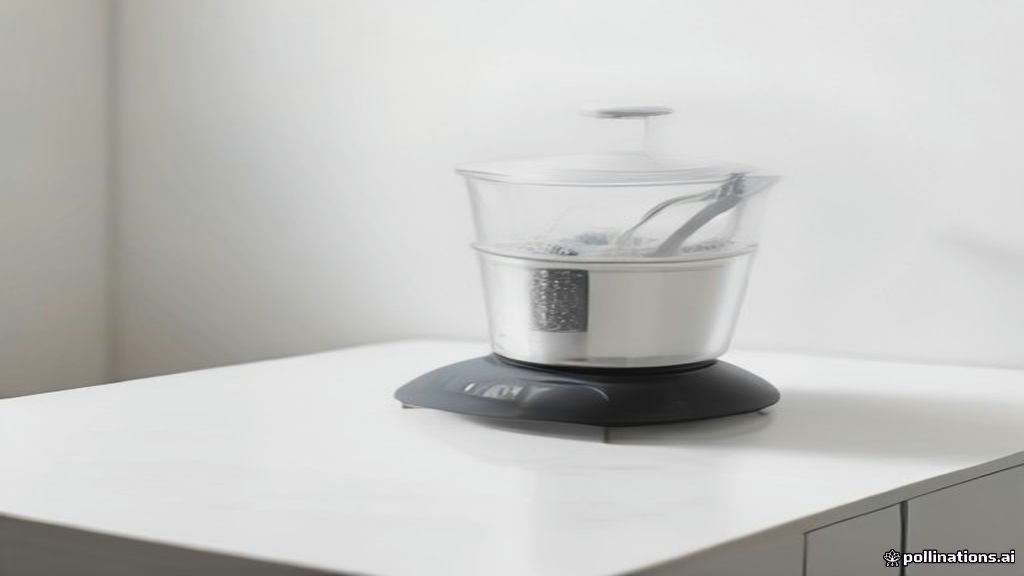
The Philips 3000 blender possesses a build quality that feels purposeful rather than premium, which is exactly what one should expect in this price bracket. The housing is constructed from high-quality, lightweight plastic that is remarkably easy to wipe clean after a messy morning rush. Its physical footprint is specifically designed to be space-efficient, fitting snugly beneath standard kitchen cabinets without creating a sense of congestion. One of the standout physical features is the jar, which utilizes a ribbed geometry. These interior ridges are not merely for aesthetics; they are functional, helping to create a vortex that forces ingredients back down toward the blade path. This is a critical design choice because it compensates for a modest motor, ensuring that the machine does not just spin ingredients at the top of the jar while leaving chunks at the bottom. The controls are equally stripped back, moving away from touchscreens toward a tactile dial that provides a satisfying, mechanical click when transitioning between speed settings. This robustness ensures longevity, as there are fewer digital circuits to fail over time due to the humidity and heat common in kitchen environments.
Key Features and Performance
At the heart of the Philips 3000 is the ProBlend system. This technology refers to the specific alignment and shape of the blades, which are engineered to maximize the surface area that touches the food. When blending softer ingredients like strawberries, spinach, or yogurt, the performance is remarkably smooth. Users will find that for everyday smoothies, the texture is generally free of large, unblended chunks. However, it is essential to manage expectations regarding physics; the motor operates at a wattage that is optimal for household, not commercial, use. When tackling harder tasks, such as crushing ice for large groups or pulverizing very dry, fibrous ingredients like ginger roots, the blender requires a bit of patience. The best practice, as noted by long-term users, is to ensure there is a sufficient liquid-to-solid ratio. Adding water, milk, or juice helps lubricate the blade's path, allowing the motor to maintain consistent momentum. The cleanup process is arguably the most praised aspect of this model. The blade assembly can be easily rinsed, and the jar itself is dishwasher safe. Unlike more complex blenders with non-removable parts that trap food particles, the Philips 3000 design allows for a quick scrub and rinse, ensuring that you are not dealing with stale food odors from previous sessions.
Who It Is For (and Who Should Skip It)
If you are a health-conscious individual who likes to prepare a daily smoothie, a parent who needs to quickly puree baby food, or someone who loves making simple vinaigrettes and dips, this blender is likely an excellent fit for your kitchen. Its simplicity is its strongest asset; it does not overwhelm you with presets you will never use. It is also an ideal choice for first-time apartment owners who need to conserve counter space without sacrificing the ability to blend basic items. Conversely, you should probably skip this model if your culinary needs include heavy-duty processing. If you want to make thick, dry nut butters from scratch, require a machine that can crush professional-grade ice for a dozen cocktails in a few seconds, or frequently process large batches of heavy dough, the Philips 3000 may struggle. The motor, while capable for standard household tasks, is not designed for the prolonged high-torque strain that high-end, heavy-duty blenders manage. If your recipe book involves more ice and frozen solids than fresh fruits and liquids, you may find yourself looking for a more industrial-grade alternative.
Alternatives Worth Considering
Choosing between budget-friendly blenders often comes down to specific brand ergonomics. The Ninja Nutri-Blender, for instance, is a primary competitor that often features more aggressive blade designs intended specifically for pulverizing ice. If you are specifically after a blender to make thick, icy beverages, you might find the Ninja’s performance slightly faster, though you might pay for that speed with higher operational noise. Another competitor, the Hamilton Beach Power Elite, offers a similarly straightforward experience and often includes a pour spout on the lid that some users find highly convenient for transferring blended mixtures into glasses. While the Philips 3000 focuses on the smoothness of the blend through jar geometry and consistent blade contact, these other models focus on different aspects of user comfort and ice-crushing power. There is no 'best' choice in a vacuum, only the best choice for your specific list of ingredients and kitchen habits.
Final Verdict
In summary, the Philips 3000 blender succeeds because it refuses to overreach. It is not trying to be a high-performance food processor or a laboratory-grade liquidizer. Instead, it provides a very reliable, user-friendly, and easy-to-clean solution for the most common tasks that occur in a modern household. While the plastic construction might not feel as high-end as a glass-and-stainless steel unit, it is lightweight, durable, and highly practical for daily cleaning. For the majority of users who simply want to get their breakfast or sauces finished efficiently and get on with their day, the Philips 3000 offers one of the best balances of cost, performance, and maintenance on the market today. It represents a sensible, smart purchase that respects both your kitchen space and your budget.