Overview
The JBL Boombox 3 represents a significant evolution in the world of high-output portable audio. Positioned as the flagship of JBL’s portable Bluetooth lineup, this speaker is designed to bridge the gap between small handheld units and large, stationary party speakers. In 2026, it remains a top choice for users who prioritize volume and low-end frequency response above all else. Research into the product’s architecture shows that JBL has moved from a two-way system to a more sophisticated three-way driver design, which aims to provide better clarity across the frequency spectrum even at high volumes.
Marketed heavily toward outdoor enthusiasts, beach-goers, and party hosts, the Boombox 3 carries a reputation for being nearly indestructible. It is built to withstand the elements while providing enough sound pressure to fill large open spaces. In this review, we analyze the design, internal hardware, and the real-world performance expectations based on technical specifications and extensive user feedback from the United States, United Kingdom, and Australia. We will look at whether the high entry price is justified by its performance and if it truly lives up to the ‘Boombox’ name in a modern digital landscape.
Design and Build
The physical presence of the JBL Boombox 3 is undeniable. Weighing in at approximately 14.7 pounds (6.7 kg), it is a substantial piece of equipment that demands a dedicated spot in your gear kit. The iconic silhouette of the previous generations remains, featuring a large, integrated metal handle that spans the top of the device. This handle now includes a silicone grip on the underside, which verified buyers note is essential for maintaining a secure hold when the speaker is wet or when you are moving it over long distances.
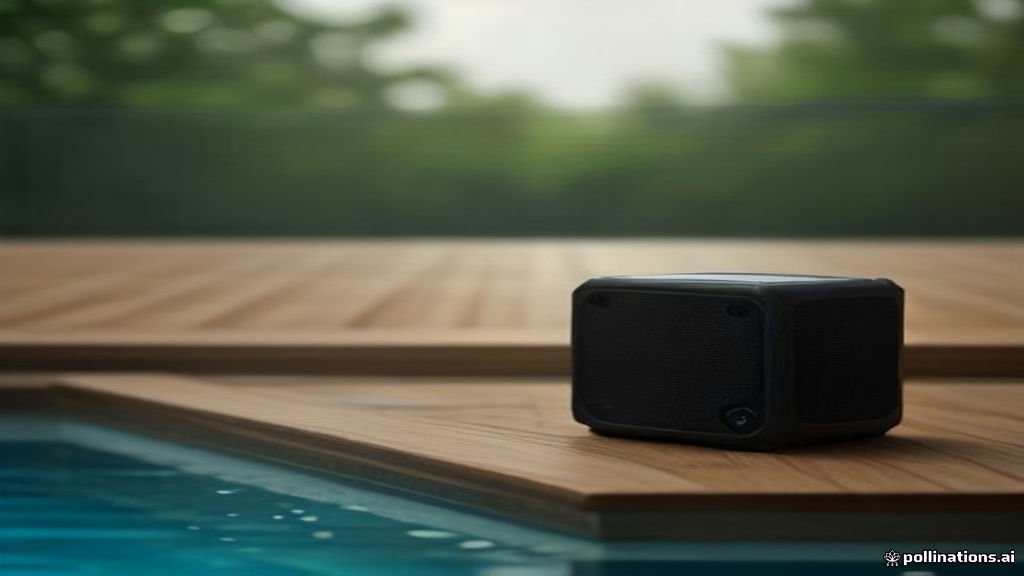
Durability is a primary selling point. The speaker carries an IP67 rating, meaning it is completely dustproof and can be submerged in up to one meter of water for 30 minutes. The exterior is wrapped in a high-tenacity fabric mesh that is designed to resist abrasions and impacts. At either end, you will find the signature large passive radiators that pulse with the bass, protected by a ruggedized rubber housing. One design improvement noted in the current model is the removal of the bulky external power brick; the Boombox 3 now uses an internal power supply, requiring only a simple AC power cord for charging. This simplifies packing and reduces the risk of losing a proprietary charger.
Key Features and Performance
Under the hood, the Boombox 3 utilizes a sophisticated array of drivers. It features a racetrack-shaped subwoofer, two mid-range drivers, and two tweeters. Manufacturer specifications indicate a significant difference in power output depending on the power source. When plugged into an AC outlet, the speaker delivers a combined 180W of power (80W for the sub, 2x40W for the mids, and 2x20W for the tweeters). On battery power, this output is throttled slightly to preserve longevity, though it remains one of the loudest portable options on the market.
The inclusion of a dedicated subwoofer is the standout feature for audio performance. Expert reviewers highlight that this allows the mid-range drivers to focus on vocals and instrumentation without being muddied by heavy bass lines. The result is a sound profile that is punchy and deep but surprisingly clear in the higher registers. For those who want to customize the sound, the JBL Portable app provides a basic three-band equalizer. While not as granular as some competitors, it allows you to rein in the bass for indoor use or boost it for outdoor environments.
Battery life is rated at 24 hours, though real-world usage patterns suggest this varies based on volume levels and the type of music played. Users who frequently play at 70% volume or higher should expect closer to 15-18 hours. A useful feature for travelers is the built-in power bank functionality; a USB-A port on the rear allows you to charge your smartphone or tablet using the speaker’s massive internal battery. Connection-wise, the speaker uses Bluetooth 5.3, which provides a stable link and supports PartyBoost. This feature allows you to link the Boombox 3 with other compatible JBL speakers to create a wider soundstage or a synchronized multi-room experience.
Who It Is For (and Who Should Skip It)
The JBL Boombox 3 is specifically engineered for users who need high-volume audio in environments where a traditional wired speaker is impractical. It is an ideal companion for beach trips, camping, and backyard barbecues. Its rugged construction also makes it a favorite on construction sites and in workshops where dust and occasional splashes are common. If you are someone who values deep, physical bass that you can feel in your chest, this is arguably the best portable speaker in its class.
However, it is not the right choice for everyone. Minimalist travelers or hikers will find the weight and bulk to be a significant burden. At nearly 15 pounds, it is not something you want to carry on a long trek. Furthermore, if your primary listening environment is a small apartment or a quiet office, the Boombox 3 is arguably overkill. The speaker is tuned for projection and outdoor impact; at low volumes in small rooms, it can sound overly dark or bass-heavy compared to more refined, stationary home speakers. Additionally, those who require built-in voice assistants like Alexa or Google Assistant should look elsewhere, as the Boombox 3 lacks internal microphones and smart connectivity.
Alternatives Worth Considering
When shopping in this price bracket, there are several noteworthy competitors. The Sony SRS-XG500 is a direct rival that offers similar volume levels and durability. The Sony model includes customizable LED lighting and a dedicated input for a microphone or guitar, making it a better choice for those interested in portable karaoke or busking. However, users often report that the JBL provides a more impactful bass response.
Another strong contender is the Ultimate Ears HYPERBOOM. The HYPERBOOM has a more angular, tower-like design that some find more aesthetically pleasing for indoor use. It offers a wider soundstage and more connectivity options, including an optical input for connecting to a television. While it is also splash-resistant, it lacks the full IP67 dustproof and waterproof rating of the JBL, making it slightly less suited for the beach.
For those who want a similar sound signature in a much smaller package, the Marshall Middleton or the JBL Extreme 4 are viable alternatives. These speakers sacrifice the deep sub-bass and maximum volume of the Boombox 3 but are significantly easier to carry in a backpack.
Final Verdict
The JBL Boombox 3 is a testament to the idea that you don’t have to sacrifice audio quality for durability. By moving to a three-way driver system, JBL has managed to produce a speaker that is not just loud, but genuinely articulate. It handles complex tracks with more grace than its predecessors while maintaining the legendary low-end punch that the brand is known for. The build quality is top-tier, and the IP67 rating provides peace of mind in unpredictable outdoor conditions.
The primary drawbacks remain its high price and significant weight. It is a specialized tool for specific scenarios. If you need a speaker that can survive a rainstorm, charge your phone, and provide the soundtrack for a 30-person party, the Boombox 3 is one of the best investments you can make in the outdoor power and audio niche in 2026. If you are looking for a casual indoor speaker, you may find better value in smaller or more feature-rich alternatives.