Overview
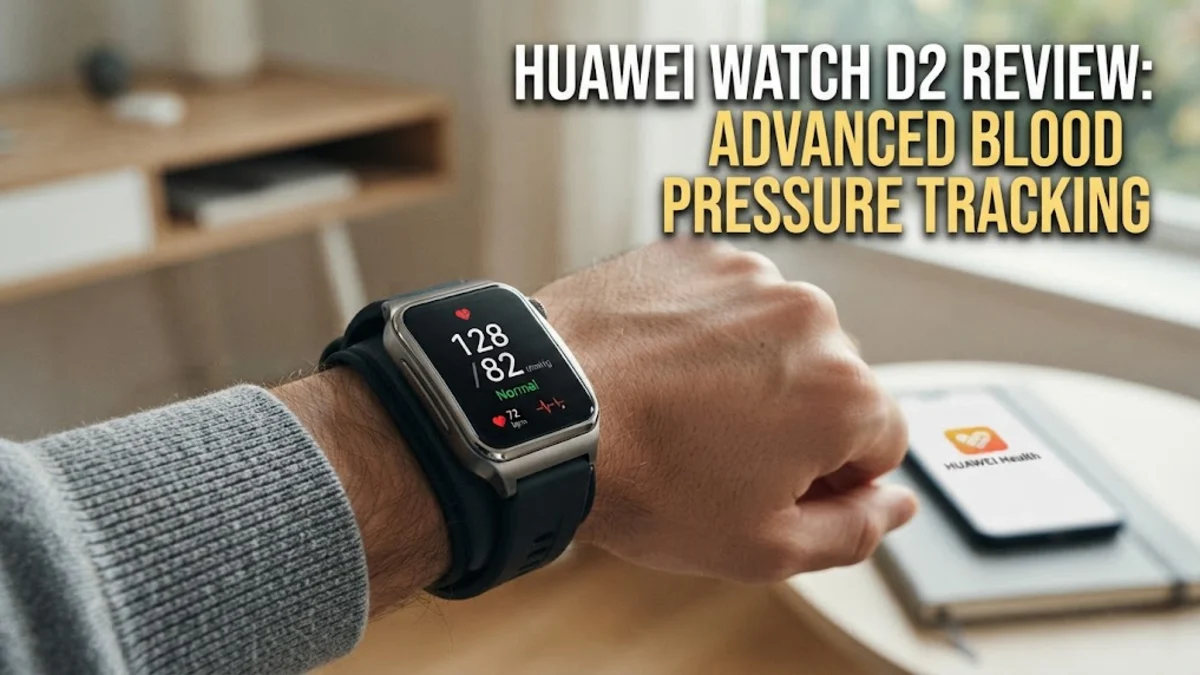
In a landscape dominated by generic smartwatches that track steps and notifications, the Huawei smartwatch d2 distinguishes itself as a surgical instrument of the wrist. It is not merely a smartwatch; it is a clinical-grade ambulatory blood pressure monitoring (ABPM) system shrunk down to a wearable form factor. While most current market competitors rely on PPG (photoplethysmography) sensors—optical light sensors that estimate blood pressure through complex algorithms—the Huawei d2 uses a real, physical mechanical solution. By incorporating an inflatable micro-airbag within the wristband, the watch can perform genuine oscillometric measurements. This distinction is critical for users living with hypertension, as it moves the device out of the realm of recreational fitness tracking and into the category of medical-adjacent health management tools.
For the average consumer, this means the D2 is designed to replace or supplement the traditional arm cuff that you might find in a doctor's office. The primary value proposition here is convenience and frequency; whereas a user might only check their blood pressure once a day with a bulky cuff, the Huawei d2 allows for scheduled, discrete, and automated measurements throughout a 24-hour cycle. This provides a significantly more comprehensive map of how a user's blood pressure fluctuates in response to stress, activity, medication, or sleep, providing actionable insights that are often more valuable to a cardiologist than a single isolated reading.
Design and Build
The design philosophy of the Huawei smartwatch d2 is dictated by its function. Because it requires a pump and an airbag system, it is undeniably bulkier than a standard thin-profile tracker. However, Huawei has done a remarkable job of concealing these components. The chassis is constructed from high-quality materials, with a metallic finish that leans toward the professional aesthetic, allowing it to blend in comfortably in an office environment. The screen is a bright, high-resolution AMOLED panel that ensures data, charts, and interface elements are legible under various lighting conditions, which is essential when the user needs to quickly read their latest blood pressure results.
The strap itself is the engineering marvel of the device. It is wider than standard watch bands to ensure proper contact and force distribution during the inflation process. While some users might find this adjustment period slightly different from a flexible silicone band, the trade-off is necessary. The strap is designed with a specific material composition that is both skin-friendly and durable enough to withstand the mechanical stress of thousands of inflation cycles. It is worth noting that for those with very thin wrists, the mechanical nature of the strap means that fit is not just about comfort; it is about clinical accuracy. A precise, snug fit ensures the sensors align correctly, highlighting the importance of measuring your wrist size before opting for this specific wearable.
Key Features and Performance
The standout feature is, of course, the blood pressure monitoring process. Initiating a test is intuitive; once you activate the feature, the strap inflates, tightening around your wrist to occlude the artery briefly. It provides a tactile, real-time pressure reading that displays on the screen, followed by immediate syncing to the mobile app. The data integration is robust, allowing you to track long-term trends. If your readings show a pattern of elevation, the application presents this information in a format that is easily exportable for healthcare professionals. This is a game-changer for those who find the "white coat syndrome"—anxiety caused by a doctor’s office—leads to artificially high readings.
Beyond blood pressure, the device serves as a comprehensive health hub. It monitors SpO2 levels, skin temperature, and provides sleep stage analysis. The sensor array is calibrated to work in harmony with the blood pressure monitor, creating a layered health profile. In real-world performance, the battery life is surprisingly resilient despite the power-hungry pump mechanism. You can expect to get multiple days of use on a single charge, depending on how often you initiate the cuff-based blood pressure check. Connectivity with mobile devices is steady, with the companion application serving as the brain of the operation, holding historical data that allows users to identify specific triggers for their cardiovascular spikes.
Who It Is For (and Who Should Skip It)
This device is specifically for the cohort of users who have been tasked by their physicians to track their blood pressure. It is a tool for the health-conscious individual managing chronic conditions, or for those who simply want a higher level of granularity in their personal health logs. If your goal is to manage a chronic illness, the D2 provides a level of peace of mind that no standard smartwatch can touch. It bridges the gap between active daily living and clinical diagnostics.
Conversely, this is not the right choice for the general tech enthusiast looking for a massive app ecosystem. If your priorities are running third-party games, managing complex smart home devices via the watch, or responding to emails with a full keyboard, you will find the D2's interface limiting. It is a specialized device that prioritizes data integrity over broad entertainment or general-purpose smart functionality. Furthermore, if you are looking for a featherlight tracker that you can wear while playing high-intensity contact sports, the bulk of the D2 might be a hinderance. It is built for a specific purpose, and it excels precisely because it does not try to be everything for everyone.
Alternatives Worth Considering
The market for health-focused wearables is stratified. The Apple Watch Series 10, for example, is the undisputed king of general-purpose functionality, seamless smartphone integration, and third-party app support, but it lacks the physical air-cuff technology of the Huawei d2, relying instead on software-based estimations or simple ECG functions. Similarly, the Samsung Galaxy Watch 7 is a fantastic choice for those fully integrated into the Android/Samsung ecosystem, offering a refined, smooth experience for notifications and fitness tracking, yet it lacks the specialized medical hardware for true oscillometric blood pressure readings.
The Withings ScanWatch Nova sits somewhere in between. It offers a more traditional, analog-looking watch design that appeals to those who don't want a screen-heavy gadget on their wrist. It excels at heart health tracking and ECG capabilities, making it a stylish alternative for someone who wants to monitor health without the appearance of a medical device, though it again lacks the true inflatable cuff mechanism for high-precision blood pressure measurements.
Final Verdict
The Huawei smartwatch d2 is a testament to how far wearable technology has come. By focusing on a singular, critical health metric—blood pressure—and providing an accurate, mechanical solution, Huawei has carved out a unique space. While it makes minor compromises in total application variety and physical profile size to accommodate its medical hardware, the trade-off is justified. For the intended audience—those who need actionable, accurate cardiovascular data—it is currently unmatched in the portable wearable sector. It transforms the wrist from a notification hub into a diagnostic tool, setting a high standard for health-monitoring technology in 2026.