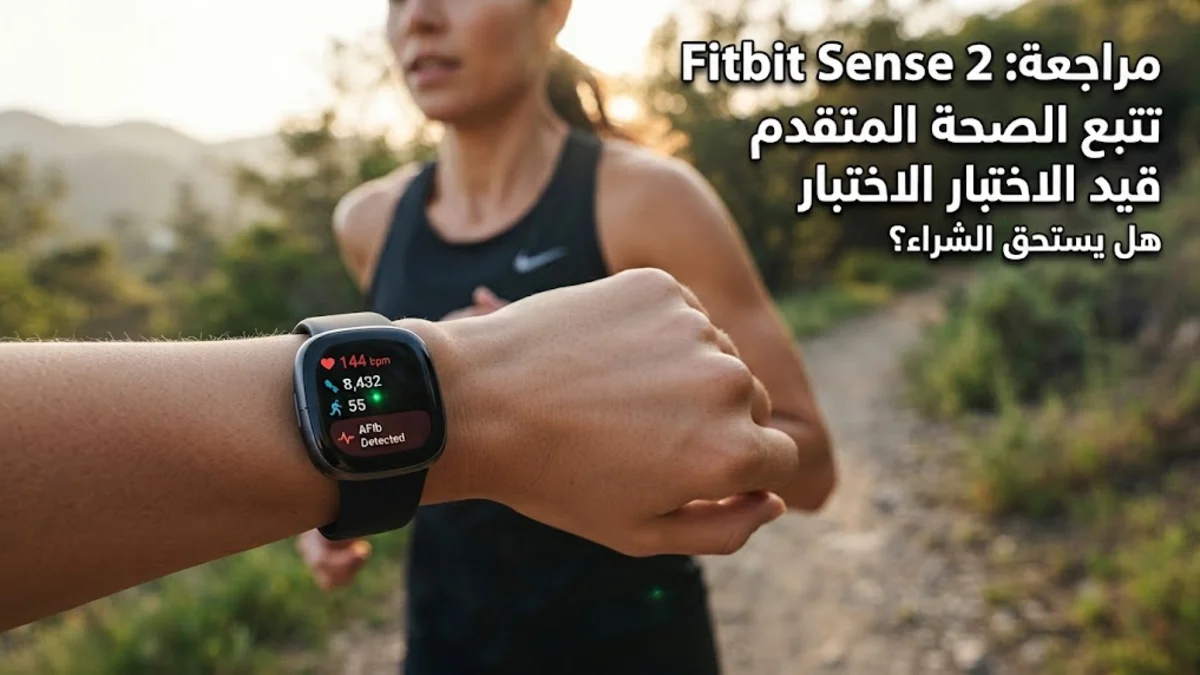
Overview
In the evolving landscape of wearable technology, fitness devices generally fall into two categories: full-featured smartwatches that act as miniature smartphones on your wrist, and dedicated health trackers engineered to log vital signs, activity, and recovery. The Fitbit Sense 2 occupies a distinct middle ground, positioning itself primarily as a health-first wearable with basic smart capabilities. As the flag bearer for Fitbit health ecosystem under Google, the device focuses on all-day stress management, heart rate metrics, and sleep architecture rather than intensive app ecosystems.
Priced in the competitive mid-range tier between $200 and $250, the Sense 2 sits directly alongside general-purpose smartwatches like the Apple Watch SE and fitness-centric alternatives like the Garmin Vivoactive 5. Unlike high-performance sports watches designed for triathlon training, the Sense 2 is tailored for everyday wellness enthusiasts who want clear, actionable feedback on how lifestyle factors impact stress, rest, and cardiac activity. Our research aggregates expert evaluations, technical specifications, and thousands of verified owner experiences to help you decide whether this health watch fits your routine.
Design and Build
From an aesthetic perspective, the Fitbit Sense 2 builds upon the clean, approachable design language that made original Fitbit wearables popular. It features a squircle aluminum casing with smooth, rounded corners that feel comfortable against the wrist during extended wear. Measuring 40.5mm across and just over 12mm thick, it maintains a low profile that fits comfortably under shirt cuffs and does not feel bulky while sleeping.
One of the most notable design refinements on the Sense 2 is the return of a physical side button, replacing the capacitive touch groove found on the original model. Reviewers and owners overwhelmingly praise this change, as the tactile button provides immediate, reliable tactile response even with sweat or wet fingers. The watch ships with a standard silicone infinity band that feels soft against sensitive skin, using a quick-release pin mechanism that allows easy swapping with third-party straps.
The centerpiece of the build is a crisp 1.58-inch AMOLED display with a resolution of 336 by 336 pixels. Brightness levels are strong enough for clear visibility under direct outdoor sunlight, and an ambient light sensor automatically adjusts display output to conserve power. Water resistance is rated at 5 ATM, meaning the device handles swimming, showers, and rain up to depths of 50 meters without issue.
Key Features and Performance
Where the Fitbit Sense 2 sets itself apart is its dedicated sensor array. The standout addition is the continuous electrodermal activity (cEDA) sensor, designed for continuous, all-day stress monitoring. By measuring subtle changes in perspiration on the skin alongside heart rate parameters, the watch detects bodily indicators of stress and prompts you to log emotions or perform breathing exercises. User feedback indicates that while cEDA notifications can occasionally flag physical exertion as emotional stress, the overall trends offer valuable visibility into daily strain.
Sleep tracking remains one of Fitbit strongest pillars. The Sense 2 continuously tracks light, deep, and REM sleep stages, combining them into a daily Sleep Score out of 100. With a Fitbit Premium subscription, users receive a monthly Sleep Profile, which assigns a representative animal persona based on long-term sleeping patterns and consistency. Experts consistently rank Fitbit sleep tracking accuracy among the best in the commercial consumer wearable market.
Heart health tracking is similarly comprehensive. The device includes an electrocardiogram (ECG) app to check for signs of atrial fibrillation (AFib), alongside optical heart rate tracking, continuous heart rate variability (HRV) calculations, and an irregular heart rhythm notification system. A skin temperature sensor establishes a baseline while you sleep, alerting you to sudden shifts that could indicate illness or hormonal changes.
For workout tracking, the Sense 2 features built-in GPS and GLONASS for mapping outdoor runs, walks, and cycling routes without carrying a smartphone. Over 40 exercise modes are available, along with Active Zone Minutes to ensure workouts meet recommended heart-rate thresholds. However, GPS lock times can vary depending on surrounding obstacles, and serious runners may find the lack of detailed pacing or cadence metrics limiting compared to specialized running watches.
Battery performance is an area where the Sense 2 outshines standard smartwatches. In real-world usage, the device regularly achieves 5 to 6 days of battery life on a single charge with standard settings. Enabling the always-on display feature cuts battery life to roughly 2 to 3 days, which still exceeds standard 18-hour smartwatches. Fast charging replenishes a full day of charge in approximately 12 minutes.
Who It Is For (and Who Should Skip It)
Who It Is For:
- Health and Stress Seekers: Anyone primary goal is monitoring sleep quality, managing stress levels, and keeping tabs on baseline heart metrics will appreciate the continuous cEDA sensor and top-tier sleep insights.
- Multi-Day Wearers: Users who dislike charging their device every night and want reliable round-the-clock health tracking without constant battery anxiety.
- Cross-Platform Device Owners: Because the Fitbit app operates seamlessly across both Android and iOS smartphones, it offers equal functionality regardless of your phone OS.
Who Should Skip It:
- Power Smartwatch Users: Buyers looking to run standalone apps, store music for phone-free workouts, or reply to texts via voice calls on iOS should look toward full smartwatches like the Apple Watch or Galaxy Watch.
- Dedicated Endurance Athletes: Marathon runners and triathletes requiring advanced training metrics, structured workout creation, and ultra-precise multi-band GPS will be better served by dedicated sports watches.
- Subscription-Averse Buyers: While core health metrics are free, unlocking the full value of the device (including historical health trends and Sleep Profiles) requires a monthly Fitbit Premium subscription.
Alternatives Worth Considering
If you are weighing your options, three primary competitors match the Sense 2 price point and feature set:
- Apple Watch SE (2nd Gen): For iPhone owners wanting seamless integration, a massive third-party app ecosystem, and slick software. You trade away multi-day battery life and native continuous stress sensing, but gain far superior smartwatch tools.
- Garmin Vivoactive 5: Designed for fitness enthusiasts who want robust training metrics, HRV status, Body Battery energy tracking, and built-in music storage without sacrificing week-long battery life.
- Samsung Galaxy Watch 7: The premier pick for Android users seeking advanced health tools like body composition analysis alongside smooth Wear OS app support and Google Assistant integration.
Final Verdict
The Fitbit Sense 2 is a tailored, comfortable health monitoring device that focuses on doing a few things exceptionally well. Its daily stress logging, reliable sleep architecture scoring, and long battery life make it an effortless companion for health-conscious users. While the software platform sacrifices media playback options and third-party apps found on previous models, its core wellness tracking remains top tier for the price.