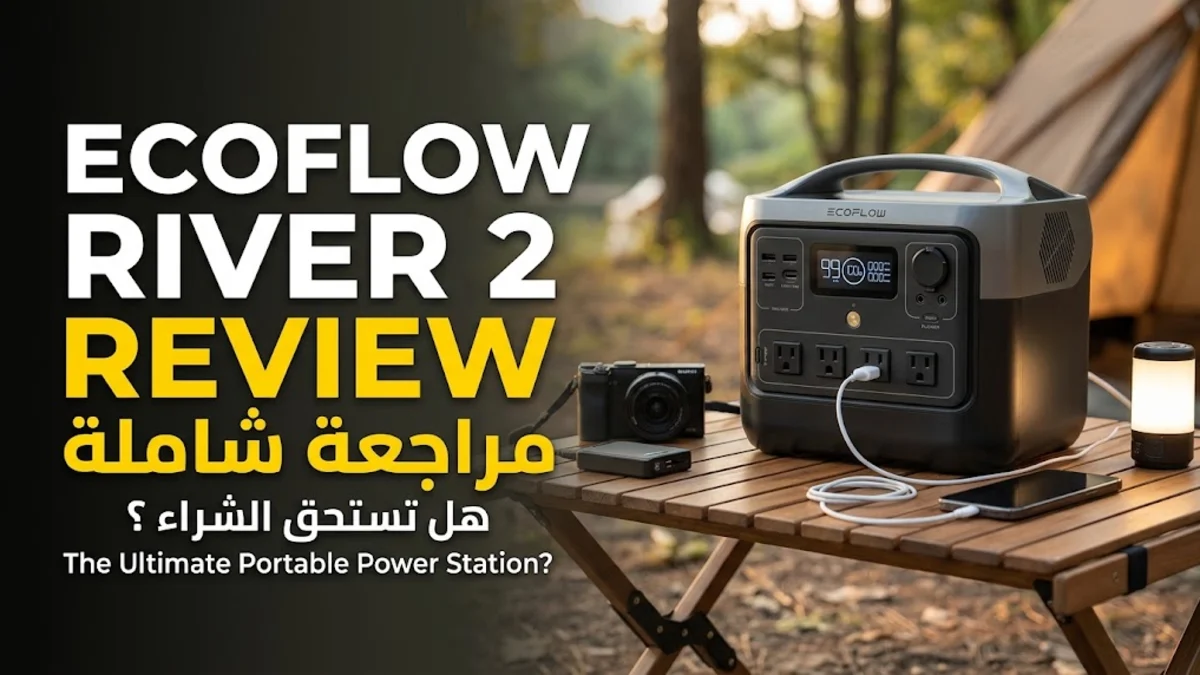
Overview
As we navigate the demands of outdoor adventures and the need for reliable backup power in 2026, the EcoFlow RIVER 2 has solidified its position as a go-to solution for those seeking portability without compromising on modern battery technology. This unit is the entry-level model in the current RIVER series, designed specifically for users who need to keep small electronics running while off the grid or during brief power interruptions at home. Unlike older generations of portable chargers that relied on heavier or less durable lithium-ion chemistries, this model utilizes Lithium Iron Phosphate (LiFePO4), which has become the industry standard for safety and longevity.
The RIVER 2 is not intended to run your entire kitchen or keep a full-sized refrigerator humming for days. Instead, it occupies a specific niche: the ultra-portable power hub. Weighing in at under 8 pounds, it is light enough for a quick hike to a campsite or for keeping in the trunk of a car for emergencies. Research into expert reviews and verified buyer data indicates that its primary appeal lies in its extremely fast recharge cycle and its expected lifespan, which far exceeds the typical consumer electronics replacement cycle.
Design and Build
One of the first things you will notice about the EcoFlow RIVER 2 is its departure from traditional power station designs. The manufacturer moved the carry handle from the top to the rear of the unit. While this might seem like a minor aesthetic choice, it provides a completely flat top surface. In a packed vehicle or a cramped storage closet, this allows you to stack other items directly on top of the unit, maximizing space. The handle itself is sturdy and integrated into the chassis, though some users who are used to top-mounted handles find the weight distribution slightly different when carrying it over long distances.
The build quality is characterized by high-impact plastic that feels durable enough for typical outdoor use, though it is not ruggedized or waterproof. The front panel is well-organized, featuring a clear LCD display that shows input and output wattage, battery percentage, and the remaining runtime based on current usage. You will find a variety of ports located on the front, including a single AC outlet (for the North American version, while UK and AU versions feature their respective sockets), two USB-A ports, one USB-C port, and a 12V car outlet. This centralized layout makes it easy to manage cables without having to reach around the sides or back of the unit.
Key Features and Performance
The heart of the RIVER 2 is its 256Wh LiFePO4 battery. This chemistry is significant because it allows the unit to undergo over 3,000 full charge cycles before dropping to 80% of its original capacity. In practical terms, if you were to use the device every single day, it would likely last you nearly a decade. Expert analysis suggests this is a major upgrade for value-conscious shoppers who want a product that won't degrade after a few seasons of use.
Performance is headlined by EcoFlow's X-Stream technology. Research shows that the RIVER 2 can charge from 0% to 100% in just 60 minutes when plugged into a standard wall outlet. This is currently one of the fastest charging speeds in the 250Wh-300Wh category, making it possible to fully prep the unit while you are packing for a trip. Additionally, the unit supports solar charging up to 110W. Under ideal sunlight conditions, a compatible solar panel can replenish the battery in about 3 hours, which is excellent for off-grid sustainability.
The AC output is rated at 300W, but it includes a feature called X-Boost. This allows the inverter to run some devices with a wattage draw up to 600W by lowering the voltage. While this won't work for sensitive electronics or motors that require high startup torque, it is effective for resistive loads like small travel kettles or heating pads. However, you should keep in mind that at 256Wh, drawing 600W would deplete the battery in less than 25 minutes. During high-output or fast-charging scenarios, an internal fan kicks in to manage heat. Verified buyers often note that while the fan is audible, it is generally less intrusive than the cooling systems found on larger, high-capacity power stations.
Who It Is For (and Who Should Skip It)
The EcoFlow RIVER 2 is an ideal choice for the casual weekend camper. If your goal is to keep two smartphones charged, power a set of LED string lights, and keep a tablet running for the kids during a two-night trip, this unit handles those tasks with ease. It is also a smart purchase for users with CPAP machines who need a lightweight backup for a single night of use, though it is vital to use a DC-to-DC converter to maximize efficiency, as the AC inverter will draw more power.
However, if you are looking for a solution for home backup during multi-day outages, you should skip the RIVER 2. It simply does not have the capacity to run appliances like coffee makers, full-sized blenders, or space heaters. Digital nomads with high-powered gaming laptops might also find the 256Wh capacity limiting, as a single full charge of a large laptop could consume nearly 40% of the station's total energy. For those users, the RIVER 2 Pro or the DELTA series would be more appropriate choices.
Alternatives Worth Considering
When shopping in this category, the Jackery Explorer 300 Plus is a frequent competitor. The Jackery model offers a slightly higher capacity and is known for its rugged, iconic orange-and-grey build. However, it typically charges much slower than the EcoFlow, often taking over two hours for a full AC recharge. If you prioritize durability and a built-in flashlight, the Jackery is a strong contender, but if you value speed and app connectivity, the EcoFlow holds the edge.
Another popular alternative is the Bluetti EB3A. The Bluetti offers a higher AC output (600W native) and includes features like a built-in LED light and a wireless charging pad on top. While the EB3A looks better on paper regarding raw specs, some expert reviews point to the EcoFlow having a more stable app experience and more consistent firmware updates. Finally, the Anker 521 is a very similar LFP-based unit that is often praised for its long warranty and extremely sturdy handle, though its solar input is more limited compared to the RIVER 2.
Final Verdict
In 2026, the EcoFlow RIVER 2 remains a benchmark for what a small-scale portable power station should be. It perfectly balances weight, technology, and price. While the 256Wh capacity limits it to smaller devices, the inclusion of high-end LiFePO4 cells and the ability to charge the entire unit in an hour makes it incredibly convenient. It removes the anxiety of long charging times and the worry of battery degradation over the years. As long as you understand its limitations regarding high-wattage appliances, it is an excellent investment for modern portable power needs.