Overview
In the evolving landscape of residential security, the Arlo Video Doorbell 2K serves as a high-performance entry point for homeowners seeking to replace their traditional doorbells with something that offers visibility and intelligent interaction. Unlike many entry-level devices that rely on compressed 1080p resolution, this model pushes toward a 2K sensor, which is designed to capture more pixels and, consequently, more granular detail when reviewing footage after a motion event occurs. It is positioned as a direct competitor to mid-to-high range video doorbells from major manufacturers, emphasizing a balance between aesthetic appeal and technical capability. For many users, the transition to a connected doorbell is driven by the rise in parcel deliveries and the need to monitor property lines without being physically present at home. This device effectively addresses that need by combining sharp video output with a wide field of view that is specifically tuned for porch-focused surveillance.
Design and Build
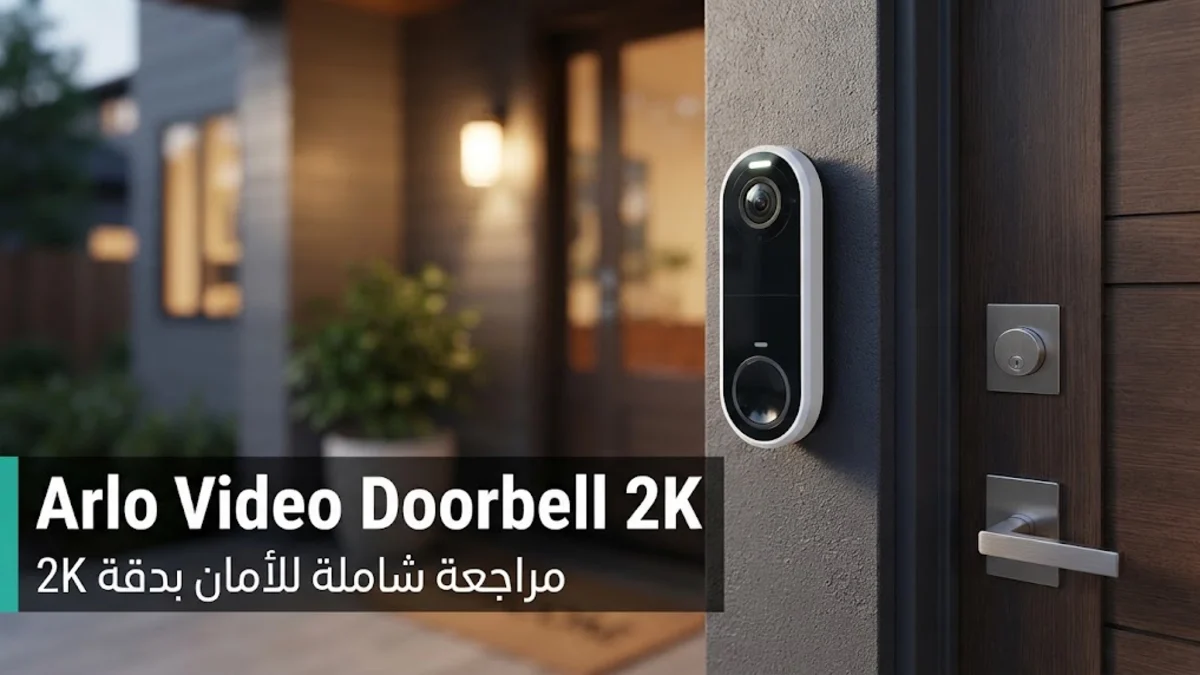
The aesthetic of the Arlo Video Doorbell 2K is distinctly minimalist. Its slim profile allows it to be mounted on narrow door frames where chunkier alternatives might struggle to fit, a common issue in many modern home architectures. The casing is constructed from high-grade, weather-resistant plastic that is rated to handle standard outdoor conditions, including extreme temperatures and rain. From an installation standpoint, you have two primary paths: hardwiring it into your existing doorbell circuitry or utilizing a dedicated rechargeable battery. The hardwired route is generally recommended for those who want 24/7 responsiveness and who prefer not to worry about battery maintenance. However, the battery-powered variant offers significant flexibility for renters or homeowners who lack existing wiring. The physical button on the face of the device is designed with a tactile "click" feedback, which is helpful for visitors to confirm they have actually rung the bell, an underrated feature compared to touch-sensitive buttons that offer no feedback. The LED ring around the button serves as a visual indicator, changing color to signal connectivity status, charging, or when a motion alert has been triggered, which adds a layer of intuitive interaction for guests.
Key Features and Performance
The defining technical characteristic of this unit is the 180-degree diagonal field of view. By opting for a tall, square-like aspect ratio instead of a typical wide-screen horizontal view, Arlo allows users to see items placed directly at the foot of their door. In practical terms, this means you can see your packages clearly, even if they are placed right against the threshold, which is often a blind spot for doorbells with narrower or strictly landscape-oriented lenses. The 2K video quality is complemented by HDR (High Dynamic Range), which is particularly beneficial in tricky lighting conditions. Porches are frequently backlit by sunlight or cast in deep shadows; HDR helps balance the exposure, ensuring that the person standing at your door is not just a dark silhouette. Motion detection is handled by an intelligent sensor that can be customized to trigger alerts only in specific "activity zones," which is vital if your doorbell faces a busy sidewalk or a street where cars constantly pass by. By narrowing the field of view for alerts, you significantly reduce the volume of nuisance notifications. The Arlo Secure subscription layer is where the device truly shines in terms of intelligence. With this service, the camera moves beyond generic movement and can identify the difference between a human, an animal, a delivery vehicle, or a generic inanimate object. This allows for specific notification settings—for instance, choosing to be alerted only when a person approaches, while silencing alerts for wandering pets.
Who It Is For (and Who Should Skip It)
This product is tailor-made for the tech-conscious homeowner who is willing to pay a premium for visual quality and AI-backed intelligence. If you frequently receive deliveries or have high foot traffic near your entryway, the object-detection capabilities and the tall aspect ratio will prove invaluable. It is also an excellent choice for users already embedded in the Arlo ecosystem, as managing this device alongside other cameras in the same app creates a cohesive security experience. Conversely, you should skip this model if your primary priority is avoiding recurring costs. While the device functions as a doorbell without a subscription, the inability to store clips for later viewing or use object-specific alerts makes it feel somewhat handicapped. It is also not the ideal choice if you are purely invested in Apple HomeKit; while it offers some interoperability, there are other manufacturers that provide deeper, more native integration for those who want their doorbell to work exclusively with Apple hardware without needing extra smart-home bridges.
Alternatives Worth Considering
Choosing a video doorbell often comes down to the ecosystem you prefer. The Google Nest Doorbell is a direct competitor that offers a different philosophy: it provides a degree of event history for free, which can be a deciding factor for budget-conscious buyers. It excels in integration with the Google Home environment, making it a natural choice if your house is full of Nest speakers and displays. On the other hand, the Ring Video Doorbell Pro series represents the most expansive ecosystem, offering a wide array of secondary security sensors, such as window break detectors and floodlights, that can all be managed under one roof. If your goal is to build an entire security suite rather than just monitoring the door, Ring is often the more modular choice. For the privacy-focused user who wants no subscription whatsoever, Eufy offers models with local storage built-in, though you may sacrifice some of the advanced AI accuracy found in the Arlo system. Comparing these, the Arlo remains the "middle ground" high-performance option, prioritizing image fidelity above all else.
Final Verdict
The Arlo Video Doorbell 2K sits comfortably as a top-tier choice for those who value clarity and intelligent monitoring. It does not try to be the cheapest option on the market; instead, it bets that you will find value in a clearer image and more reliable motion detection. The 180-degree field of view is a genuine hardware advantage that makes it easier to keep track of packages and visitors. While the reliance on an Arlo Secure subscription for the full suite of features is a significant point of consideration, the cost is largely offset by the quality of the video and the accuracy of the alerts. For those who want a "set it and forget it" security solution that performs well under challenging lighting and captures essential details, this is a highly recommended addition to your home.