Overview
The Apple AirPods Pro (2nd Generation) with USB-C represent the absolute pinnacle of consumer wireless audio engineering for Apple ecosystem users, while remaining a compelling yardstick by which all other active noise-cancelling in-ear headphones are measured. Building on the massive success of the original AirPods Pro, this second-generation iteration introduces the custom Apple H2 silicon, a completely overhauled acoustic architecture, significantly enhanced noise cancellation algorithms, and a long-overdue transition to a universal USB-C charging case. Across expert evaluations, acoustic lab tests, and prolonged user feedback gathered over years of real-world use, these earbuds consistently rank at the top of the market for their sheer convenience, adaptive listening modes, and reliability. They are designed for everyday life, seamlessly transitioning from chaotic open-plan offices and bustling commuter trains to quiet home offices and intense gym workouts. By refining the core strengths of its predecessor while addressing hardware limitations like the proprietary Lightning connector, Apple has created a product that feels both mature and exceptionally polished. Whether you are upgrading from a first-generation pair or stepping into the wireless earbud market for the first time, understanding how these earbuds stack up against fierce competition from Sony, Bose, and Samsung will help you determine if they fit your specific daily workflow and audio preferences.
Design and Build
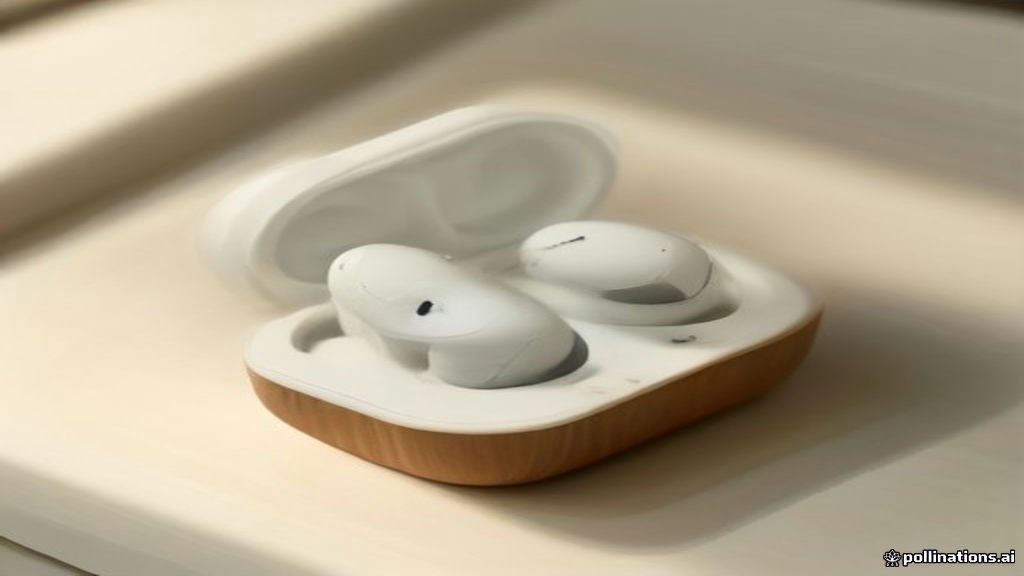
At first glance, the physical design of the Apple AirPods Pro 2 closely mirrors their predecessors, retaining the familiar short stem profile, lightweight ergonomic body, and interchangeable silicone ear tips. However, a closer examination reveals thoughtful refinements. Apple now includes four distinct sizes of silicone tips in the box—ranging from an extra-small option to large—enabling a much wider variety of ear canal shapes to achieve a secure, airtight seal. This tight seal is crucial not only for passive sound isolation but also for the proper functioning of active noise cancellation and adaptive audio features. The build quality feels dense, premium, and reassuringly durable, backed by an IP54 dust, sweat, and water resistance rating that covers both the individual earbuds and the charging case. This means unexpected rain showers, intense treadmill runs, or dusty environments will not compromise their structural integrity. The charging case itself has received several practical upgrades. It now incorporates a built-in speaker that emits tones for pairing confirmations, low battery warnings, and locating the case via Apple's Find My network. Furthermore, a physical lanyard loop has been integrated directly into the chassis, allowing users to attach straps or carabiners without needing an aftermarket protective skin. The transition from Lightning to USB-C unifies charging cables for modern laptop, tablet, and smartphone users, drastically reducing cable clutter on desks and travel bags. Overall, the physical engineering strikes an impressive balance between weightlessness in the ear and structural robustness during transit.
Key Features and Performance
The beating heart of the AirPods Pro 2 is the Apple H2 chip, a powerful piece of silicon that manages audio processing, wireless stability, and computational listening modes with remarkable efficiency. This chip powers an active noise cancellation system that is twice as effective as the original AirPods Pro, successfully neutralizing low-frequency environmental rumbles such as airplane engines, subway tracks, and deep HVAC systems, frequently outperforming bulkier over-ear headphones in tests. Complementing this is the Adaptive Audio mode, which dynamically blends active noise cancellation and transparency mode in real-time, intelligently reacting to sudden loud noises like sirens or construction work while letting you hear essential environmental sounds. Conversation Awareness is another standout feature, automatically lowering media volume and enhancing voices directly in front of you when you begin speaking. Sound quality is rich, balanced, and engaging, offering punchy, controlled bass, clear vocal mids, and crisp highs that avoid harshness even at elevated listening volumes. Personalized Spatial Audio with dynamic head tracking creates an immersive, theater-like soundscape when watching supported movies or listening to mixed music tracks, adjusting the soundstage as you turn your head. Microphone clarity is exceptional, utilizing beamforming algorithms and inward-facing mics to isolate your voice from background wind and ambient chatter during phone calls and video conferences. Battery life is rated at up to six hours of continuous playback with active noise cancellation enabled, and the MagSafe and USB-C compatible charging case extends total listening time to thirty hours, ensuring multiple days of use between charges.
Who It Is For (and Who Should Skip It)
These earbuds are tailor-made for iPhone, iPad, Mac, and Apple Watch owners who value effortless pairing, instant device switching across iCloud-connected hardware, hands-free Siri voice activation, and top-tier noise cancellation for daily commutes, frequent travel, and office productivity. If you live inside the Apple ecosystem, the friction-free user experience is unmatched by any competitor. On the other hand, Android, Windows, or Linux users should firmly skip this product. Without an Apple device, you lose access to vital software features including firmware updates, customized EQ settings, spatial audio head tracking, and quick-pairing conveniences, reducing the earbuds to standard, expensive Bluetooth headphones that lack granular controls. Additionally, budget-conscious shoppers who prioritize pure raw audio fidelity over ecosystem integration or noise cancellation can find superior standalone sound profiles in wired IEMs or cheaper wireless alternatives. Fitness enthusiasts who require over-ear stability hooks or wing tips may also find the stem-based in-ear fit less secure during high-impact sports compared to specialized sport buds.
Alternatives Worth Considering
If you use an Android device, prioritize absolute high-resolution audio codecs, or simply want a different acoustic tuning, several strong alternatives dominate the current market. The Sony WF-1000XM5 offers exceptional high-res audio support via LDAC, a comfortable foam-tip fit, and deeper companion app customization that works identically across iOS and Android platforms. The Sony buds also boast slightly longer standalone battery life per charge, though their call quality and transparency modes trail slightly behind Apple's implementation. Another top contender is the Bose QuietComfort Ultra Earbuds, which provide class-leading noise cancellation and secure stability bands, making them an ideal choice for users who prioritize silence above all else and want a locked-in physical fit during extreme activities. For Samsung users, the Samsung Galaxy Buds3 Pro offer stem-based styling, high-res codec support, and stellar integration with Galaxy smartphones, matching much of Apple's ecosystem fluidity within the Android sphere. Comparing these models highlights that while Apple leads in smart features and microphone clarity, competitors often match or exceed AirPods in specific categories like battery longevity or universal app customization.
Final Verdict
The Apple AirPods Pro (2nd Generation, USB-C) successfully refine an already iconic consumer electronics product into a near-flawless daily driver. By resolving previous hardware constraints with the adoption of USB-C and significantly elevating noise cancellation, transparency processing, and acoustic fidelity via the Apple H2 chip, Apple has secured their position as the undisputed market leader for everyday wireless earbuds. They are comfortable, intelligent, and remarkably reliable in complex audio environments. While their premium price tag and strict ecosystem dependencies mean they are not universally ideal for every single consumer, anyone deeply invested in Apple hardware will find them to be an essential, high-value investment that transforms how they experience mobile audio, phone calls, and media consumption.