Overview
In the rapidly expanding market of portable power, finding the right balance between weight, capacity, and battery longevity remains a primary challenge for both manufacturers and consumers. The Anker 521 Portable Power Station positions itself as a robust, entry-level solution designed for casual campers, remote workers, and home users who do not necessarily need to run heavy kitchen appliances, but require a reliable source of power for essential mobile devices. Anker has focused heavily on the internal chemistry of this unit, opting for Lithium Iron Phosphate (LiFePO4) battery cells. These are widely recognized by industry experts as being significantly more durable, safer, and longer-lasting than the standard lithium-ion alternatives found in many older or budget-oriented competing power stations. By investing in this specific battery architecture, the Anker 521 aims to solve the 'disposable' nature of small electronics, providing a device that feels like a long-term investment rather than a temporary gadget.
Design and Build
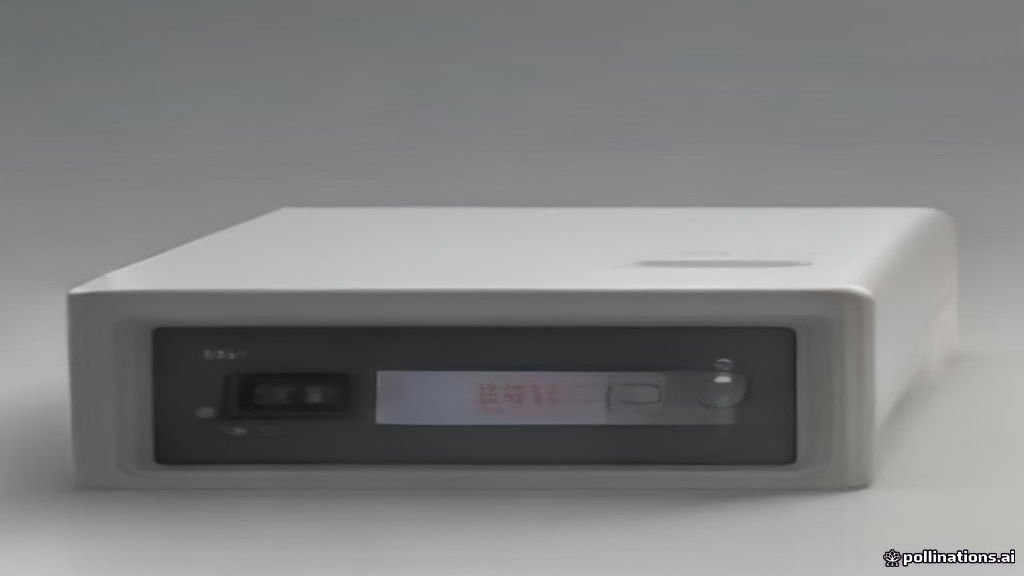
The Anker 521 features a distinct, boxy aesthetic that immediately signals high build quality and industrial intent. At approximately 8.3 pounds, it is intentionally designed to be moved; the integrated handle is sturdy and balanced, preventing the unit from tipping while you carry it across a campsite or to a desk. The outer shell is constructed from proprietary impact-resistant materials that undergo rigorous testing to ensure they can withstand the occasional drop or bump common in trunk-packing scenarios. The front panel is laid out with exceptional clarity. Rather than cluttering the interface, Anker has chosen to prioritize a high-quality display that provides essential, real-time data: input power, output power, and a percentage-based battery readout. Unlike some cheaper stations that use ambiguous three-bar icons to display battery life, this granular data allows you to manage your power consumption much more effectively, telling you exactly how many hours of charge you have remaining at your current load.
Key Features and Performance
The core philosophy behind the Anker 521 is longevity. By utilizing LiFePO4 battery chemistry, the station is rated to maintain 80% of its original capacity even after 3,000 complete charge cycles. In practical terms, if you were to charge this unit from empty to full every single day, it would still perform at nearly full capacity for over eight years. This is a massive improvement over traditional lithium-ion stations, which often see significant degradation after 500 to 800 cycles. With a 256Wh capacity, the unit is perfectly sized for keeping mobile gear alive. You can expect to recharge a typical smartphone approximately 20 times, or keep a standard 13-inch laptop powered for an additional several hours of productivity. The port selection is comprehensive for its size: it includes a pure sine wave AC outlet, which is safe for sensitive electronics like cameras and laptops, as well as several USB-C and USB-A ports to cover modern charging requirements. Furthermore, the inclusion of a warm-toned LED light bar on the front is a thoughtful design choice. It is diffused, meaning it doesn't cause the harsh glare often found in traditional flashlights, making it perfect for tent illumination or bedside use during a home power outage.
Who It Is For (and Who Should Skip It)
The Anker 521 is tailor-made for several specific demographics. If you are a student who works on the go, a light camper who stays in campgrounds with the occasional need for a charging point, or a homeowner looking for a 'first-line of defense' against minor power blips for a Wi-Fi router or smart home hub, this device is ideal. Its small footprint and high-quality build make it incredibly easy to stash in a drawer, under a car seat, or inside a camera bag. However, it is important to be realistic about its limitations. If your goal is to operate high-draw appliances such as coffee makers, space heaters, or hair dryers, the 200W inverter will simply trip the safety mechanism, and the 256Wh capacity will be exhausted in mere minutes. Users who require heavy-duty power for long-term off-grid living or for operating power tools on a job site should look toward larger, higher-wattage units in the Anker SOLIX or EcoFlow DELTA lines instead.
Trade-offs vs Competitors
The portable power landscape is incredibly competitive, and the Anker 521 faces stiff challenges. For instance, the EcoFlow RIVER 2 is a frequent comparison point. EcoFlow generally excels in the 'speed' category, often offering faster recharge times through high-wattage input capability and more advanced app integration that allows you to customize charging rates and firmware updates. However, some users find the Anker 521's physical construction and handle design to be more ergonomic and stable. Another alternative is the Jackery Explorer 240, which is often significantly cheaper and lighter. However, that unit traditionally relies on older lithium-ion chemistry, which means it will have a shorter overall lifespan compared to the Anker 521. When deciding between these, you are ultimately weighing 'features and speed' against 'longevity and physical build quality.' You must also consider whether you value smart-app connectivity; the Anker 521 is a 'manual' experience, which some users prefer for simplicity, while others might miss the ability to monitor usage from their phone.
Final Verdict
The Anker 521 is a highly focused, well-executed product that prioritizes long-term reliability and physical durability over 'spec-sheet racing.' While it does not claim to be a whole-home backup solution, it succeeds in providing dependable, portable energy for the essential electronic devices that define modern life. The combination of the LiFePO4 battery chemistry, which ensures it will last for thousands of charges, and the thoughtful, impact-resistant design, makes it one of the most reliable entry-level power stations on the market today. It offers a premium feel without the premium price tag of massive, 1kWh-plus units. If you appreciate reliability, clarity in design, and a battery that will stand the test of time, the Anker 521 is a purchase you are unlikely to regret.